This guide provides valuable insights into telephone shops and the services they offer. Telephone shops are crucial retail spaces where consumers can explore, purchase, and receive support for mobile phones and related accessories. These shops often provide a range of options, from budget-friendly models to premium smartphones, and are essential in connecting communities through mobile technology.
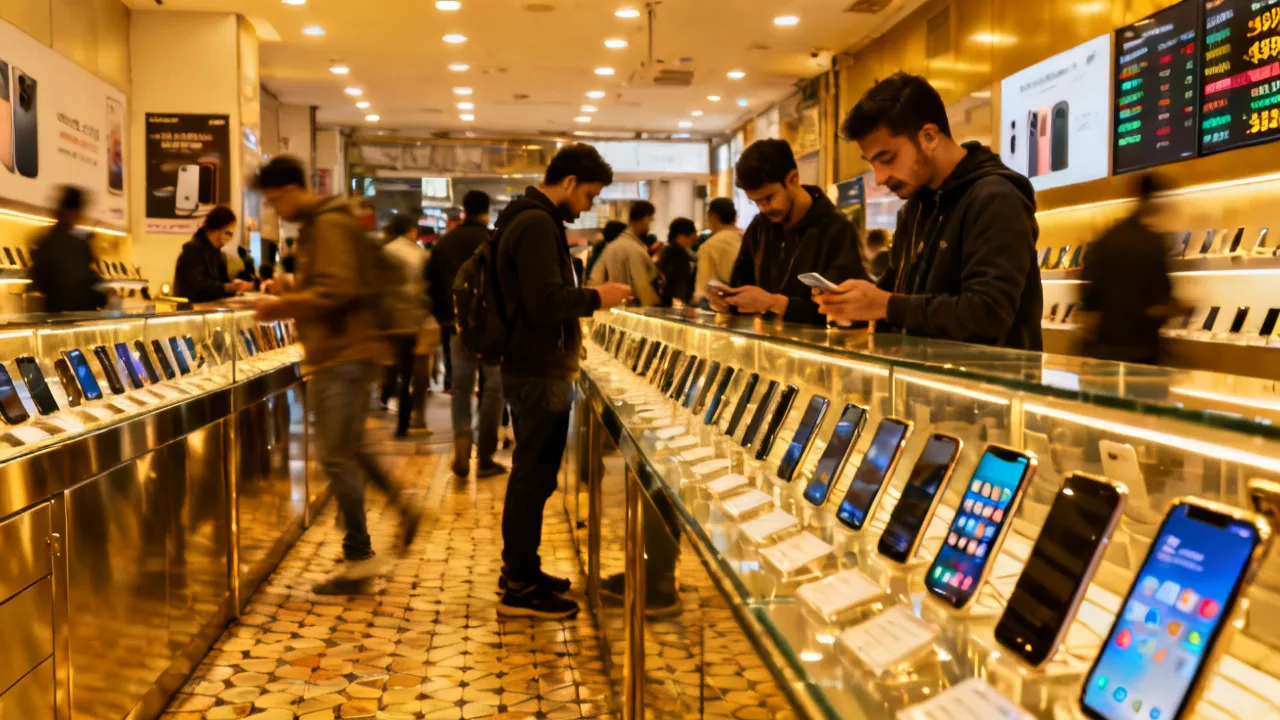
In today's digital age, telephone shops have become indispensable establishments. They not only sell mobile devices but also act as service hubs where customers can explore various plans, troubleshoot technical issues, and stay updated with the latest technological advancements. These establishments bridge the gap between technology and user experience, often evolving rapidly alongside market trends. From providing budget-friendly options to showcasing the latest premium models, telephone shops cater to a wide range of customer needs, ensuring that they are accessible to a diverse audience.
Telephone shops play a pivotal role in connecting people through technology. They serve as the primary point of contact for customers seeking to purchase new phones, switch providers, or upgrade their current devices. These shops often collaborate with leading network providers to offer competitive plans and exclusive deals, making them a popular choice for tech-savvy shoppers. More than just points of sale, they also function as community hubs where customers can receive personalized attention and advice tailored to their specific requirements.
In addition to selling phones, many telephone shops provide ancillary services such as phone repairs and maintenance, typically handled on-site by skilled technicians. This capability not only enhances customer satisfaction but also fosters brand loyalty, as clients prefer to return to a familiar place for all their mobile needs. Moreover, with the complexity of mobile technology increasing, these shops serve as invaluable resources for educational sessions and demonstrations, helping customers to fully leverage their devices' capabilities.
Several phone providers offer options that cater to low-income households. These programs are available through various service providers and are designed to ensure that everyone, regardless of financial standing, has access to essential communication tools. Access to mobile technology is crucial in today's society; it affects everything from job searching and education to healthcare. Government-supported phone programs bridge this gap, ensuring equitable access to communication.
Here's a closer look at the providers that offer these services:
| Provider | Services Included | Additional Costs |
|---|---|---|
| SafeLink Wireless | Affordable smartphone or BYOD, unlimited text, calls, data. | Device upgrades or additional data packages. |
| Assurance Wireless | Affordable Android smartphone, unlimited talk & text, data allowances. | Extra high-speed data or international calls. |
| StandUp Wireless | Affordable smartphone or BYOD, unlimited talk & text, data plans. | Premium phone upgrades or extra data cost. |
| Access Wireless | Unlimited voice, text, limited high-speed data. | Data boosts, device upgrades. |
| True Wireless | Affordable government-supported phones, voice & data plans. | Upgraded devices or additional data plans. |
Source: Information regarding services can be verified on these official websites, for example, SafeLink Wireless, Assurance Wireless, StandUp Wireless, Access Wireless, True Wireless.
To qualify for these government-supported phone services, applicants must usually meet income requirements or be part of a government assistance program such as Medicaid, Supplemental Nutrition Assistance Program (SNAP), Supplemental Security Income (SSI), or Federal Public Housing Assistance (FPHA). Additionally, residents on Tribal lands might receive enhanced benefits as part of other specific programs designed to encourage connectivity among traditionally underserved populations.
The process for applying typically involves submitting an online application via the provider’s website, backed by proof of eligibility such as income verification or participation in qualifying programs. Many providers also offer the option to apply through the Lifeline National Verifier, streamlining the process and ensuring broad accessibility across various states and cities. Moreover, the application process is designed to minimize barriers, allowing for phone applications, in-person assistance at authorized stores, and even assistance via community outreach programs that help individuals navigate the process accurately.
Once approved, users can take advantage of the wide range of services offered. This assistance plays a critical role not only in individual lives but also in fostering community development, as residents with phones are more likely able to participate in local economies, ranging from job applications to engagement with local services.
A telephone shop is a retail outlet specializing in the sale of mobile phones and related accessories, providing customer support and services like insurance, repair, and upgrades. Additionally, they serve as vital sources of information about the latest technology and emerging trends in mobile communications.
Telephone shops provide essential communication tools and services, enabling people to stay connected, access emergency services, and participate fully in the digital economy. Furthermore, they contribute to local job creation, often employing community members and providing valuable training in customer service and technical skills.
Consider the range of services, cost of plans, device options, customer service quality, and any special promotions or deals they may offer. Customers should also evaluate compatibility with their existing services and mobile technologies, as well as inquire about customer support availability and warranty options provided for phones.
Additionally, understanding the shop's community initiatives and programs can be key. Shops partnered with local organizations often offer workshops or free classes to help customers better understand their technology, keeping them informed and engaged with the products they purchase.
Disclaimer: The aforementioned information is based on available online resources as of October 2023. This platform does not guarantee the procurement of government-supported phones. For specific application requirements and further details, please refer directly to the official provider guidelines. Updates on this website will not occur in real-time.
For more information, you can visit the following references: - SafeLink Wireless - Assurance Wireless - StandUp Wireless - Access Wireless - True Wireless
The landscape of telephone shops is constantly evolving due to technological advancements and changing consumer behaviors. As more individuals lean towards online shopping and digital services, telephone shops must adapt to maintain their relevance. Brick-and-mortar stores are increasingly integrating technology into their sales processes, such as utilizing augmented reality (AR) for product demonstrations or virtual reality (VR) experiences that allow customers to engage with products in unique ways.
Moreover, the rise of e-commerce has prompted telephone shops to establish a strong online presence, creating omni-channel shopping experiences where customers can browse products online, reserve items in-store, or receive home delivery. This transition not only broadens customer reach but also caters to a demographic that prefers shopping at their convenience, without the constraints of traditional retail hours.
As discussions around sustainability continue to gain traction globally, telephone shops are also reassessing their business practices. Many companies are now focusing on eco-friendly initiatives, such as offering trade-in programs that encourage customers to recycle old devices. These initiatives not only help in promoting environmental sustainability but also provide customers with discounts on future purchases, thereby enhancing customer retention.
Furthermore, telephone shops are exploring sustainable product lines, including phones made from recycled materials or devices that use energy-efficient components. Such efforts resonate with environmentally conscious consumers, and they create a competitive edge in the marketplace where shoppers increasingly consider the ecological footprint of their consumer choices.
As technology progresses, so does the need for customer education. Telephone shops are uniquely positioned to offer insights and guidance on new devices and software updates. Many shops host workshops or informational sessions designed to inform consumers about device capabilities, security features, and tips for maximizing performance. This education is critical, especially for those who may not be as technologically savvy, allowing them to make informed decisions and utilize their devices effectively.
Notably, customer education extends beyond device handling; it encompasses understanding data plans, privacy policies, and the implications of emerging technologies, such as 5G and its impact on mobile connectivity. By providing this knowledge, telephone shops empower customers to fully engage in the digital landscape, It becomes easier for them to decipher complex information, make savvy consumption decisions, and advocate for themselves as informed users.
Telephone shops remain a vital component of our interconnected world, helping keep individuals connected while also serving as resource hubs within the community. Their role goes beyond mere sales and services; by providing equitable access through government programs and educational initiatives, they ensure that technology is inclusive and that every customer has the opportunity to thrive in a digital society. As industry trends shift and technology evolves, telephone shops must continue to adapt, seeking innovative ways to meet and exceed consumer expectations in the digital age.
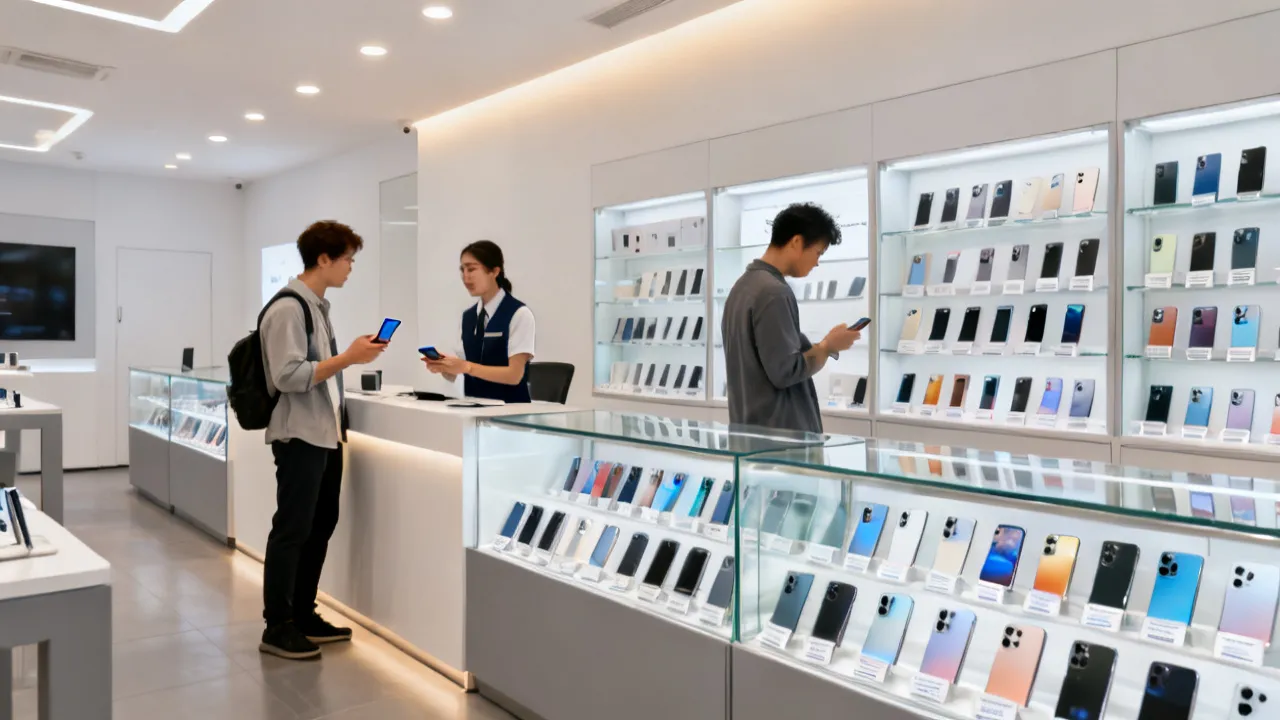
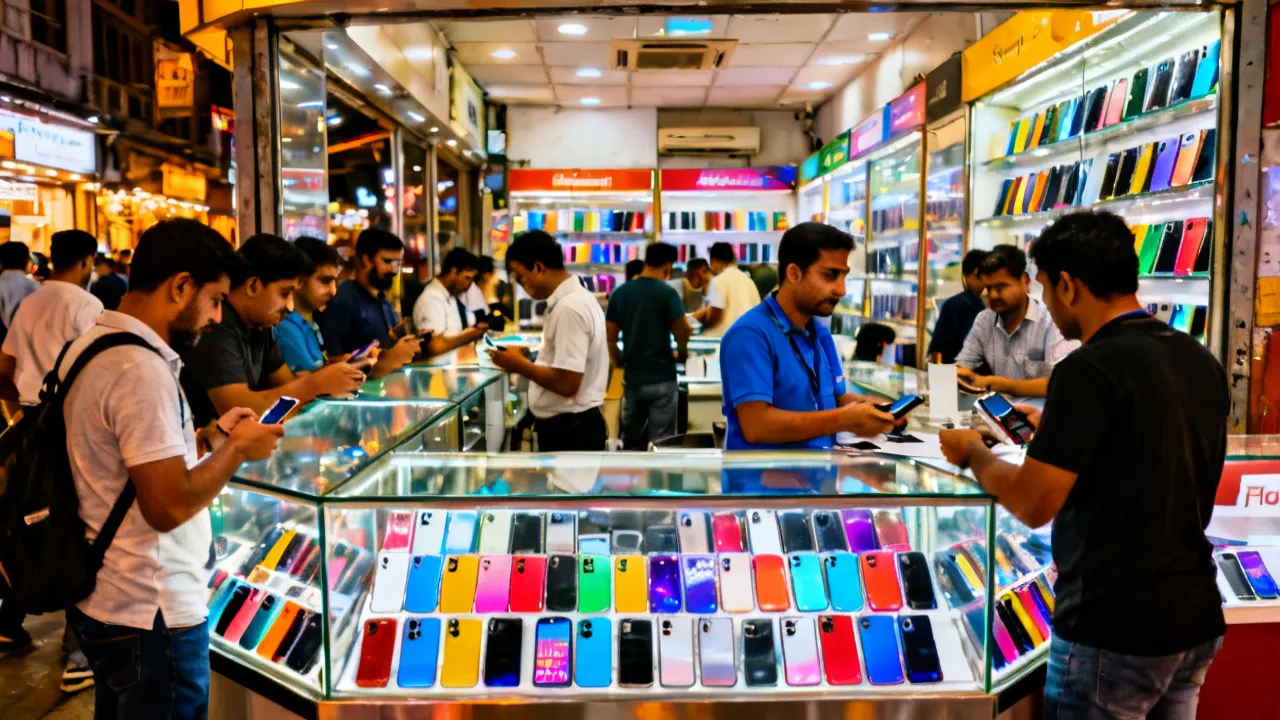
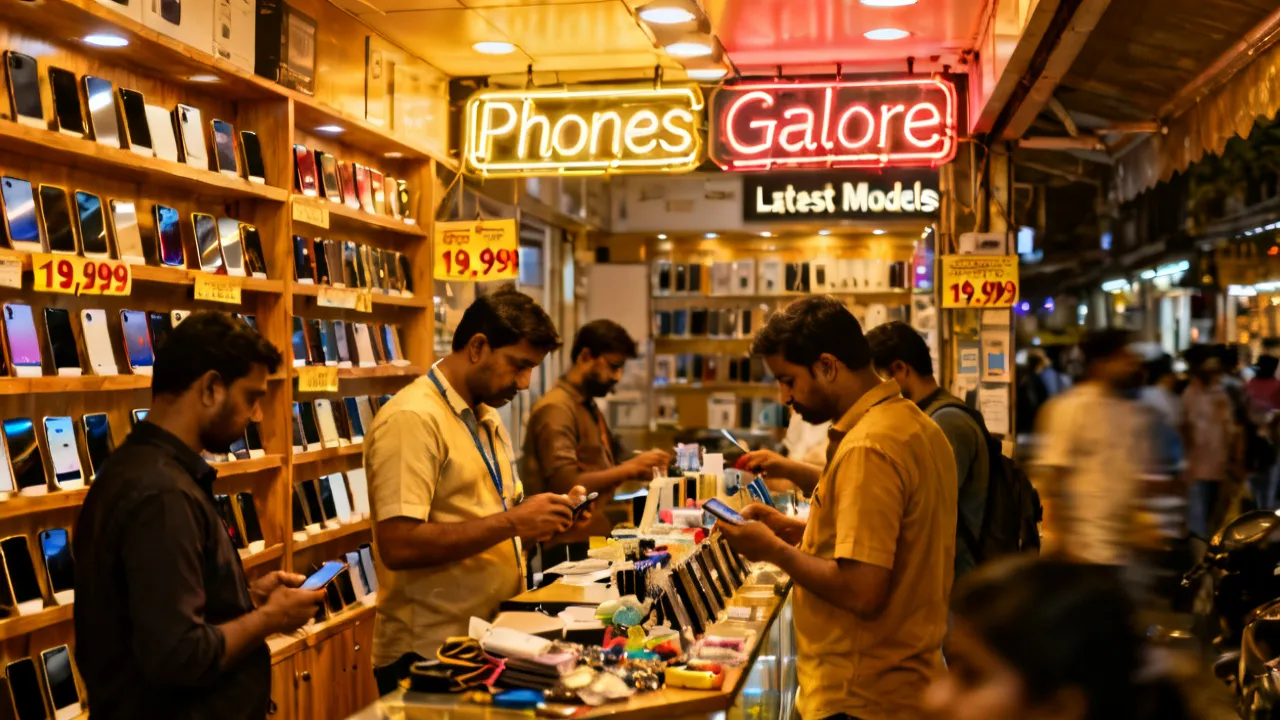
This comprehensive guide explores the offerings of telephone shops, focusing on government-supported programs providing essential mobile services. Telephone shops are crucial retail spaces providing a range of mobile devices and services, from basic feature phones to advanced smartphones, often accompanied by service plans tailored to meet diverse consumer needs.
This comprehensive guide explores the dynamic landscape of telephone shops. The essence of a telephone shop revolves around providing customers with the latest phone models, accessories, and services. As technology rapidly evolves, these shops serve as a bridge to connect consumers with cutting-edge devices and competitive service plans.
This comprehensive guide delves into government-supported phone programs, offering key insights into eligibility criteria, application procedures, and service providers. Telephone shops are pivotal in the retail industry, focusing on selling telecommunication devices such as smartphones and landlines. These shops provide customers with a variety of devices and plans that cater to different communication needs and preferences.
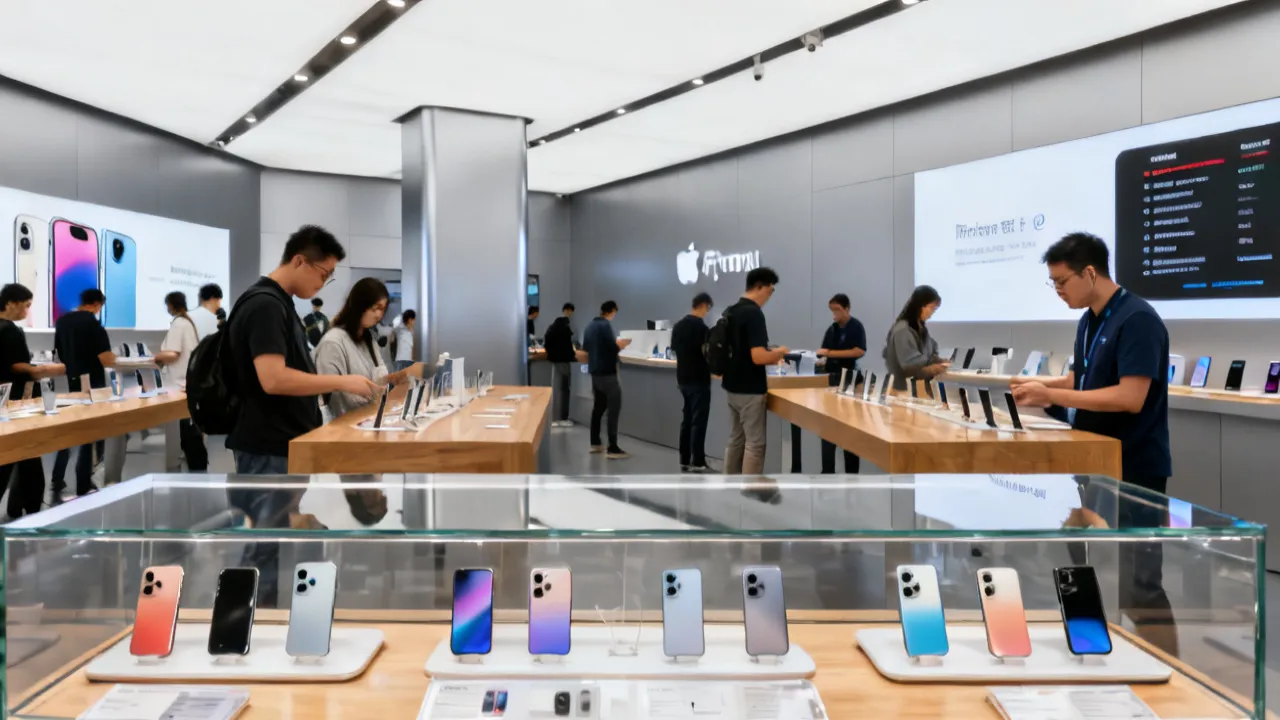
This guide offers an insightful exploration of telephone shops, highlighting how these hubs cater to the modern consumer's needs for smartphones and associated services. Telephone shops provide a variety of products and services, from the latest smartphone models to phone plans and accessories. As essential components in the telecommunication industry, understanding their offerings can enhance your purchasing decision.
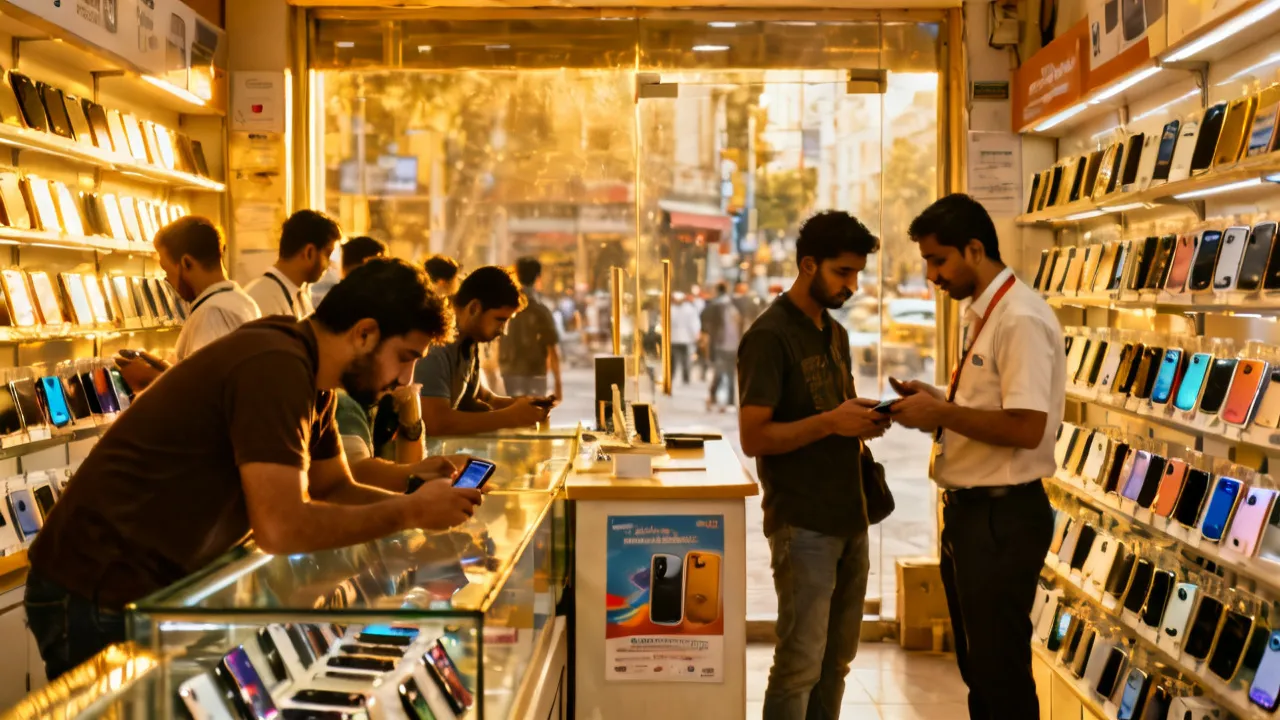
Exploring a telephone shop reveals a world of connectivity through various options in smartphones, accessories, and telecommunication plans. Telephone shops cater to diverse needs, offering a range of devices from budget-friendly models to high-end smartphones, accompanied by services such as repair and tech support. This guide ventures into the complexities of government-supported phone plans, making it easier for eligible users to access telecommunications resources.
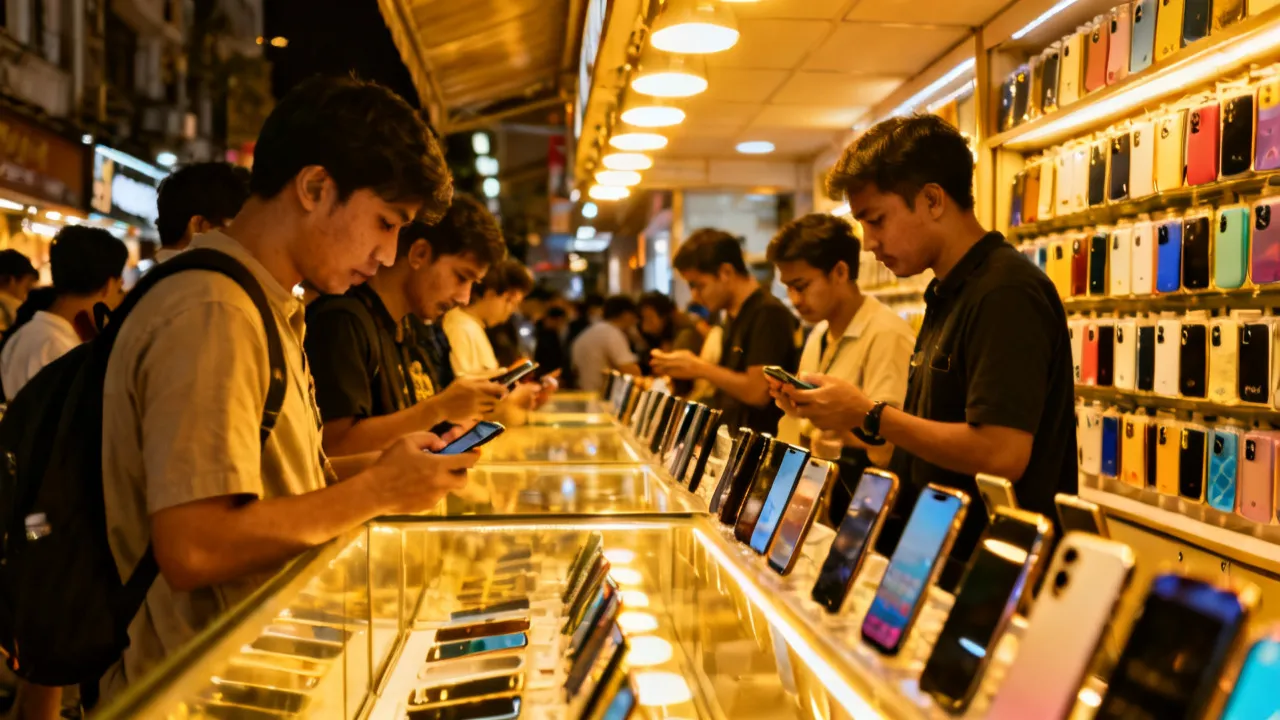
This guide provides insights into telephone shops and their offerings, highlighting services and eligibility for government phone programs. Telephone shops are centers where telecommunications devices and services are made available to the public. These outlets offer a wide variety of products such as smartphones and accessories, and often provide support services, making them vital in connecting consumers with communication technologies.