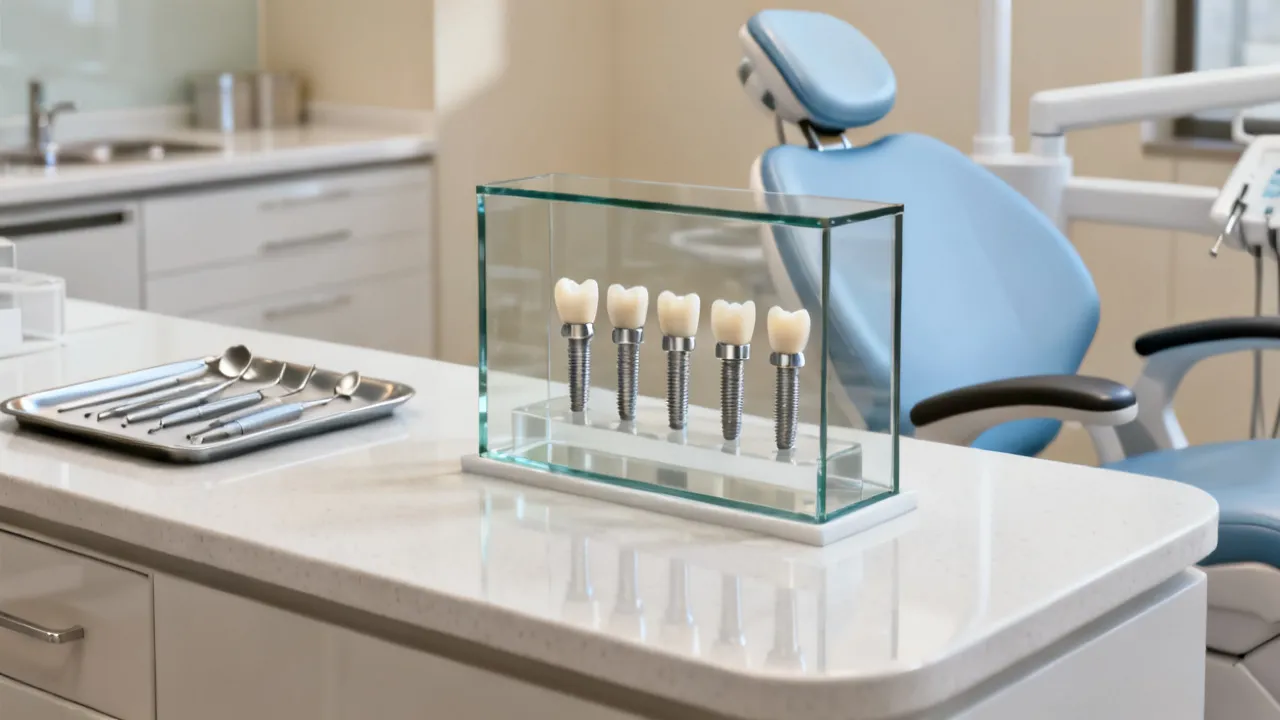
Navigating the Implant Dental World
This guide delves into the world of implant dental solutions, focusing on affordability and accessibility. Dental implants are artificial structures replacing missing teeth, anchored in the jawbone, providing a durable substitute for natural teeth, crucial for oral health and aesthetics. Leveraging information on low-cost options worldwide, this article offers insights into savings, choosing optimal clinics, and understanding the procedure's financial dynamics.
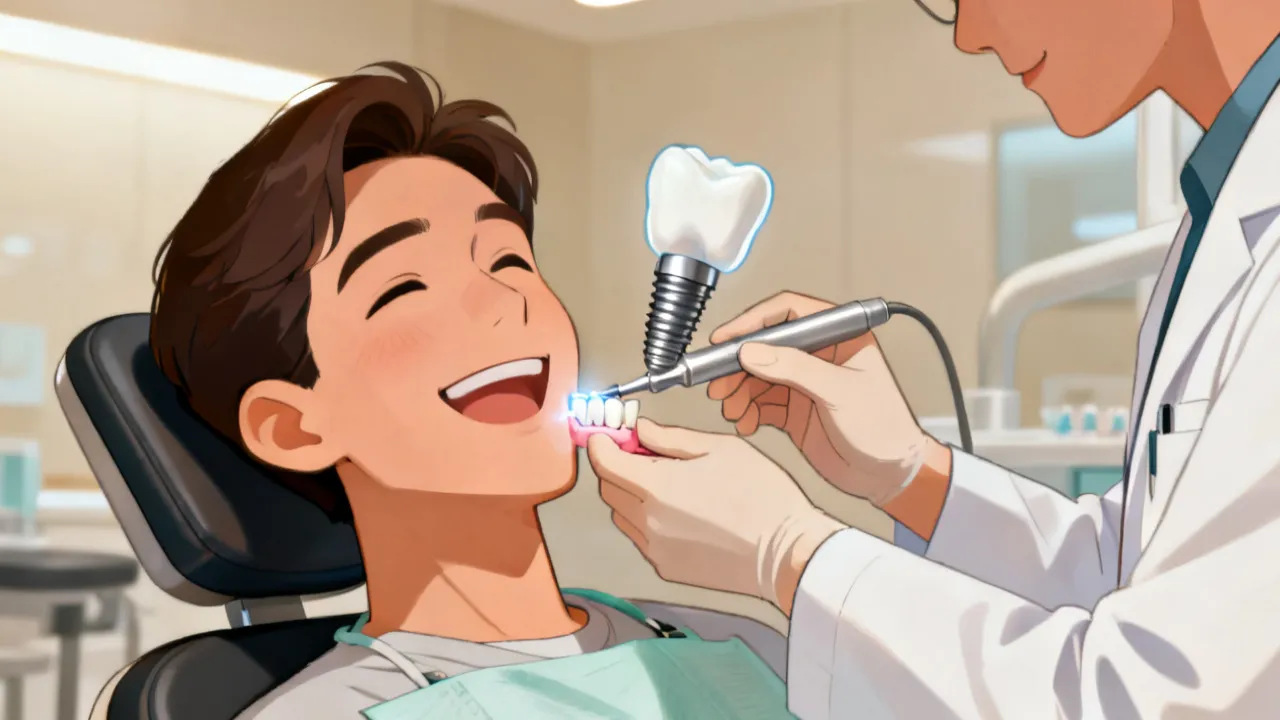
The Evolution of Implant Dental Solutions
The journey towards achieving a flawless smile has profoundly transformed with time and technology. The advent of dental implants has revolutionized oral health by offering lasting solutions to missing teeth. Initially perceived as a luxury, advances in materials, techniques, and accessibility have made implant dental options more affordable, positioning them as a vital aspect of restorative dentistry. Whether due to age, injury, illness, or congenital issues, the process of replacing lost teeth has become streamlined, accommodating varying needs and budgets.
This transformation in dental solutions has not only improved the quality of life for numerous individuals but has also changed the landscape of dental practices globally. With a clearer understanding of dental implants and their numerous benefits, patients are increasingly advocating for quality dental care that aligns with their health and aesthetic goals. As we delve deeper into the subject, it becomes evident that dental implants represent a significant chapter in dentistry's evolution, influencing how both practitioners and patients approach dental restoration.
Understanding Dental Implants
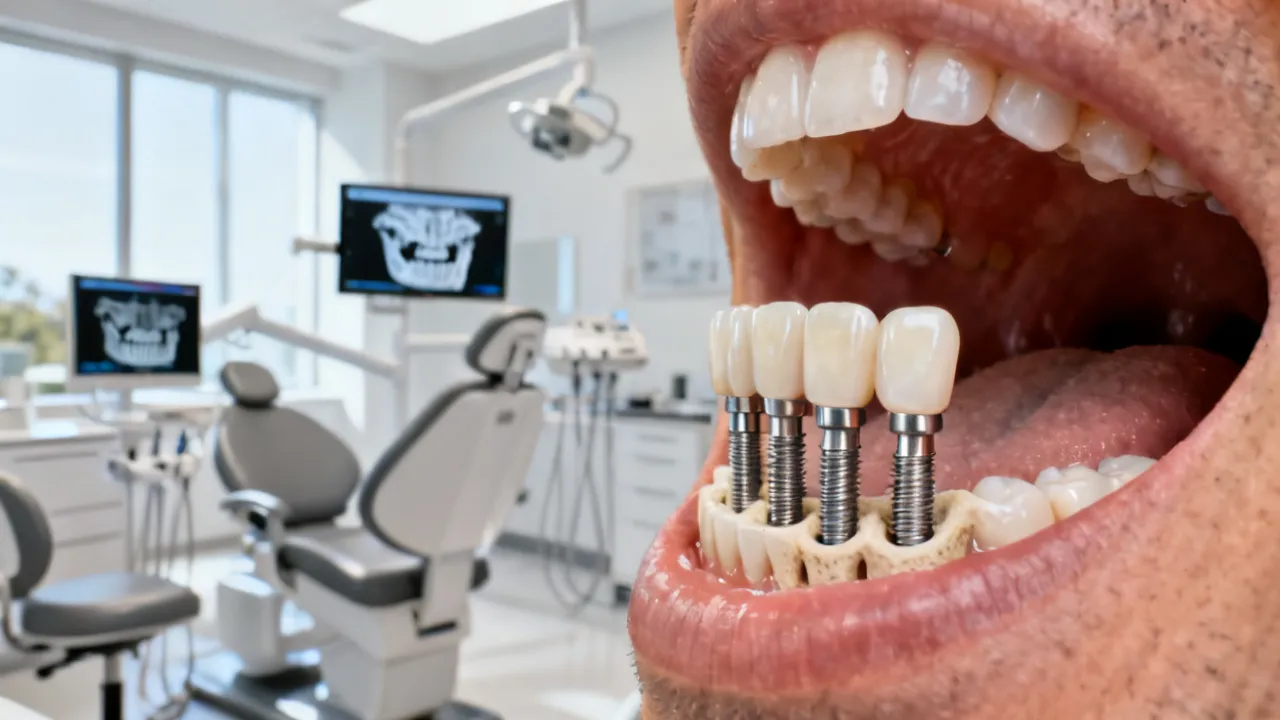
Dental implants serve not only as replacements but also as reinforcements to the jawbone structure, effectively preventing bone loss. Constructed from biocompatible materials like titanium, these implants integrate with the bone through a process known as osseointegration, ensuring stability and longevity. This natural assimilation mimics organic teeth structures, granting patients the freedom to eat, speak, and smile confidently. Their placement involves a minor surgical procedure, followed by a recovery phase during which the implant bonds with the bone, eventually supporting crowns, bridges, or dentures.
Additionally, the success of dental implants largely depends on planning and technique. Following the initial evaluation, dental professionals perform various assessments, such as X-rays and 3D imaging, to develop a comprehensive treatment plan tailored to individual needs. This level of personalization has become a standard practice within the field, allowing for better outcomes and patient satisfaction.
Different Types of Dental Implants
It’s important to recognize that dental implants are not one-size-fits-all solutions. The field encompasses a variety of implant types tailored to specific cases:
- Endosteal Implants: These are the most common type. They are surgically placed directly into the jawbone and can hold one or more teeth. Typically made of titanium, endosteal implants come in various shapes and sizes, accommodating different anatomical needs.
- Subperiosteal Implants: These are positioned under the gum but above the jawbone. They are used for patients who do not have enough healthy natural jawbone and cannot or prefer not to have a bone augmentation procedure. While less common than endosteal implants, subperiosteal implants offer an alternative to traditional methods.
- Zygomatic Implants: These are specialized implants anchored in the zygomatic bone (cheekbone) rather than the maxillary bone (upper jaw). They are often used in cases of severe bone loss in the upper jaw and allow for immediate loading of dentures or prosthetics.
Cost Considerations and International Perspectives
Depending on geographical locations and the healthcare infrastructure, the cost of dental implants can significantly vary. In English-speaking regions, like the United States and United Kingdom, the price for a single implant typically ranges between $3,000 to $6,500. Australia and Canada reflect similar price points, indicative of the developed dental technologies and expert services available. In contrast, European countries, including Spain and Portugal, often offer competitive rates, attracting patients from across borders seeking cost-effective yet high-quality care.
| Country | Currency | Cost Range |
|---|---|---|
| United States (US) | USD | $3,000 - $6,000 |
| United Kingdom (GB) | GBP | £2,000 - £2,500 |
| Australia (AU) | AUD | AU$3,500 - AU$6,500 |
| Canada (CA) | CAD | CA$3,000 - CA$5,500 |
The varying costs are influenced by numerous factors such as the type of implant, the degree of bone loss requiring additional procedures like bone grafting or sinus lifts, and the dentist's expertise. Patients are often advised to conduct thorough research and consult with multiple practitioners to understand the intricacies involved. It's also worth noting that while lower costs may be appealing, ensuring a high standard of care should remain a paramount concern.
Healthcare Factors Influencing Dental Implant Costs
When examining the costs associated with dental implants, several healthcare factors come into play:
- Geographic Location: The cost of living in a region influences dental prices. Urban areas with higher living costs generally see higher dental implant prices compared to rural areas. Some regions might offer promotional pricing or discounts to attract international patients.
- Clinic Type: Specialties matter. High-end dental clinics generally charge more than community dental offices, but this price difference often correlates with the technology used, experience of the staff, patient care levels, and overall facility comfort.
- Material Quality: The type of materials utilized in fabricating the implant and abutments also affect the overall cost. Implants made from premium-grade materials, such as titanium alloys, tend to command higher prices.
Affordable Dental Implants in the Global Market
For those open to global options, dental tourism provides an excellent opportunity to reduce costs without compromising quality. Countries like Mexico, Colombia, and Brazil have gained prominence within the realm of dental tourism, offering experienced professionals and state-of-the-art facilities at a fraction of the price compared to their counterparts in developed nations. For example, a single implant in Brazil ranges between R$3,000 to R$8,000, appealing to patients willing to travel for significant savings.
Popular Dental Tourism Destinations
The allure of dental tourism often attracts dental patients seeking both affordable solutions and vacation opportunities. Some of the most popular destinations include:
- Mexico: Known for its proximity to the United States, many patients head south of the border for high-quality dental care often at a fraction of U.S. prices. Cities like Tijuana and Cancun feature numerous clinics that cater specifically to American patients.
- Colombia: With highly trained dentists and modern clinics, Colombia has become a hub for dental tourism. Patients enjoy not just competent care but also the chance to explore a vibrant culture during their healing phase.
- Thailand: This tropical paradise attracts thousands of international patients each year. Combining dental care with a travel experience, Thai dental clinics offer impressive packages that can include accommodations and tours.
Step-by-Step Guide to Accessing Low-Cost Implants
When considering affordable dental implants, it’s crucial to take a systematic approach. Here is a practical guide you can follow:
- Research and Compare: Begin with an in-depth investigation of clinics' reputations, patient reviews, certifications, and their success rates. Websites like Dental Views and DentaVacation are excellent resources for exploring low-cost options.
- Consultation: Schedule virtual or in-person consultations to discuss needs, expectations, and treatment plans with qualified dentists. It’s important to have at least two or three initial consultations to compare treatment philosophies and costs.
- Evaluate Additional Costs: Take account of travel expenses if opting for dental tourism. Verify visa requirements, consider flight costs, accommodation, and any cultural nuances pertinent to the country you might visit.
- Insurance and Financing: Explore whether dental insurance can offset part of the costs or if the clinic offers financing plans that allow for manageable monthly payments. Some clinics partner with financial institutions or offer in-house financing.
- Follow-Up and Care: Post-treatment care is essential for the longevity of successfully placed implants. Patients should adhere strictly to the aftercare instructions provided by their dentist, including regular check-ins for ongoing health assessments.
FAQs about Dental Implants
- How long do dental implants last? With proper care, dental implants can last a lifetime. However, the crown may require replacement after 15-20 years due to wear and tear.
- Is the implant procedure painful? Most patients experience minimal discomfort post-procedure, similar to that of typical dental surgeries. Modern techniques and anesthetics have advanced, making the procedure smoother and more comfortable.
- Can everyone get dental implants? While dental implants have a high success rate, candidates need adequate bone density and overall good health. A detailed dental examination, often accompanied by imaging scans, can determine an individual's eligibility.
- Will my insurance cover dental implants? Coverage varies widely among insurance policies. Some plans cover part of the costs, while others may not include them at all. It's best to read the terms of your policy or speak directly with your insurance provider for clarification.
- What is the recovery time for dental implants? Recovery times can vary. Initial healing around the implant site usually takes 1-2 weeks, while osseointegration takes a few months. Patients may need anywhere from 3 to 6 months for full recovery, depending on individual circumstances and health.
Several reputable websites offer useful information and sufficient support related to dental implants:
| Website | Focus |
|---|---|
| Dental Views | Low-cost implant solutions with details on treatment benefits, processes, and pricing strategies. |
| Atlantic Dental Group | A wide range of services, including dental implants, with easy access to care information and booking options. |
| DentaVacation | Information on dental tourism, cost comparisons, and travel arrangements for affordable treatments abroad. |
| Rockville Dental Arts | Offers insights into patient care and innovative techniques used in cosmetic dentistry. |
| Union City Mini Dental Implants | Specializes in mini dental implants, including affordable solutions and consumer education. |
| Cigna Dental Guide | Provides comprehensive information about various dental treatment options, including implants. |
Source: dentalviews.com, atlanticdentalgrp.com, dentavacation.com.
Conclusion
Navigating the implant dental field requires due diligence and an awareness of global options. As the demand for implant solutions grows, understanding the complexities of costs versus quality alongside international alternatives becomes pivotal. Patients should aim to make informed decisions that enhance their overall experience and well-being. It's crucial to engage with trusted dental professionals who can guide individuals through this transformative journey, ensuring optimal outcomes while maintaining high standards of care.
As the landscape of dental implants continues to evolve, so too does the promise of improved techniques, materials, and patient experiences. Technology, combined with a commitment to patient-centric care, steers the future of dental solutions, offering hope and confidence to anyone looking to reclaim their smiles.
Disclaimer
The above information is derived from online resources, and the data is as of October 2023. Dental implant prices are for reference only and may vary by region, clinic, and practitioner. Always consult with a qualified dental professional for personalized advice.
[Reference Links]: - Dental Views - Atlantic Dental Group - DentaVacation - Rockville Dental Arts - Union City Mini Dental Implants - Cigna Dental Guide - Rubi Odonto - Odontologia Velasco - DentalVidas