Dental Implants Options in California
Explore various options for dental implants in California, a popular dental restoration solution for missing teeth, known for improving oral aesthetics and function. California offers diverse clinics and cost-effective plans for patients. This guide provides insights into affordable dental implant options and compares providers, emphasizing the importance of considering clinic reputations and costs.
Understanding Dental Implants in California
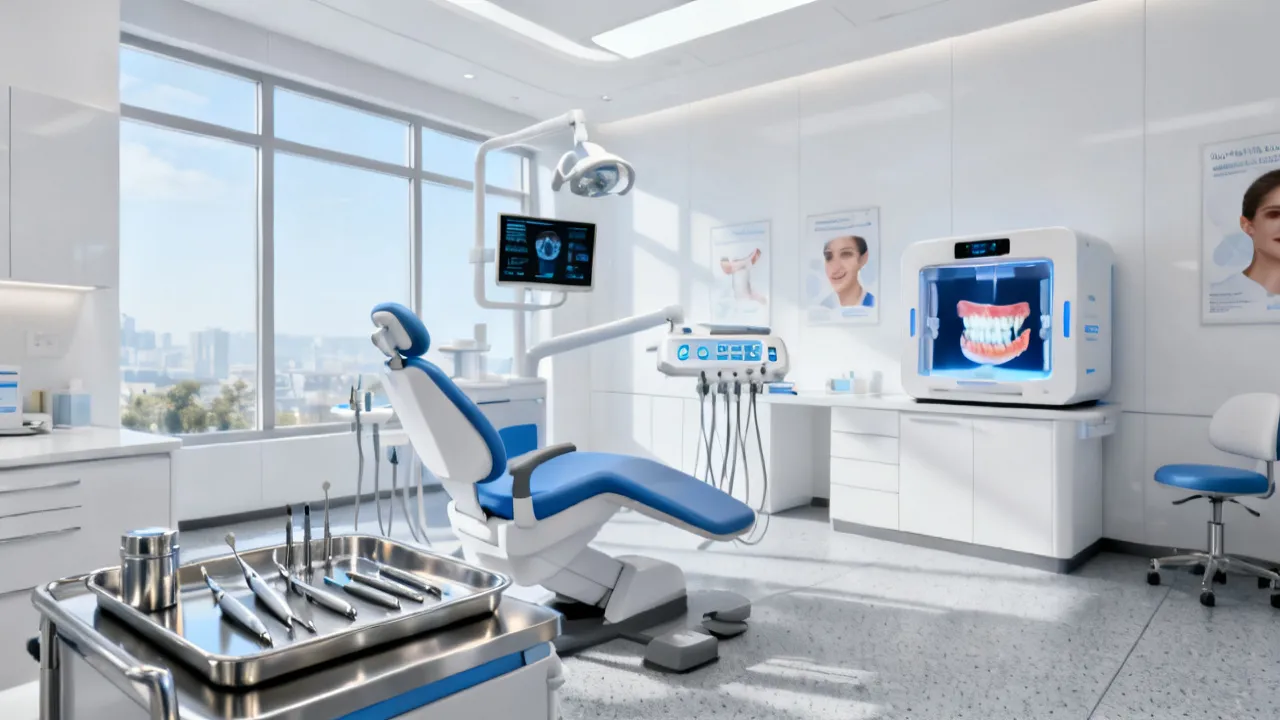
Dental implants in California are a sought-after solution for those looking to restore aesthetics and function to their smiles. Boasting a myriad of clinics that offer varied pricing and procedures, California stands as a promising state for anyone seeking dental restoration. This guide delves into the specifics of finding low-cost dental implants in the region, backed by considerations of quality and service delivery. California's diverse landscape of dental care ensures that patients can find the right solution tailored to their needs and budget. Whether you are dealing with missing teeth or seeking a full mouth restoration, understanding the local options can greatly enhance your journey toward a healthier smile.
What Are Dental Implants?
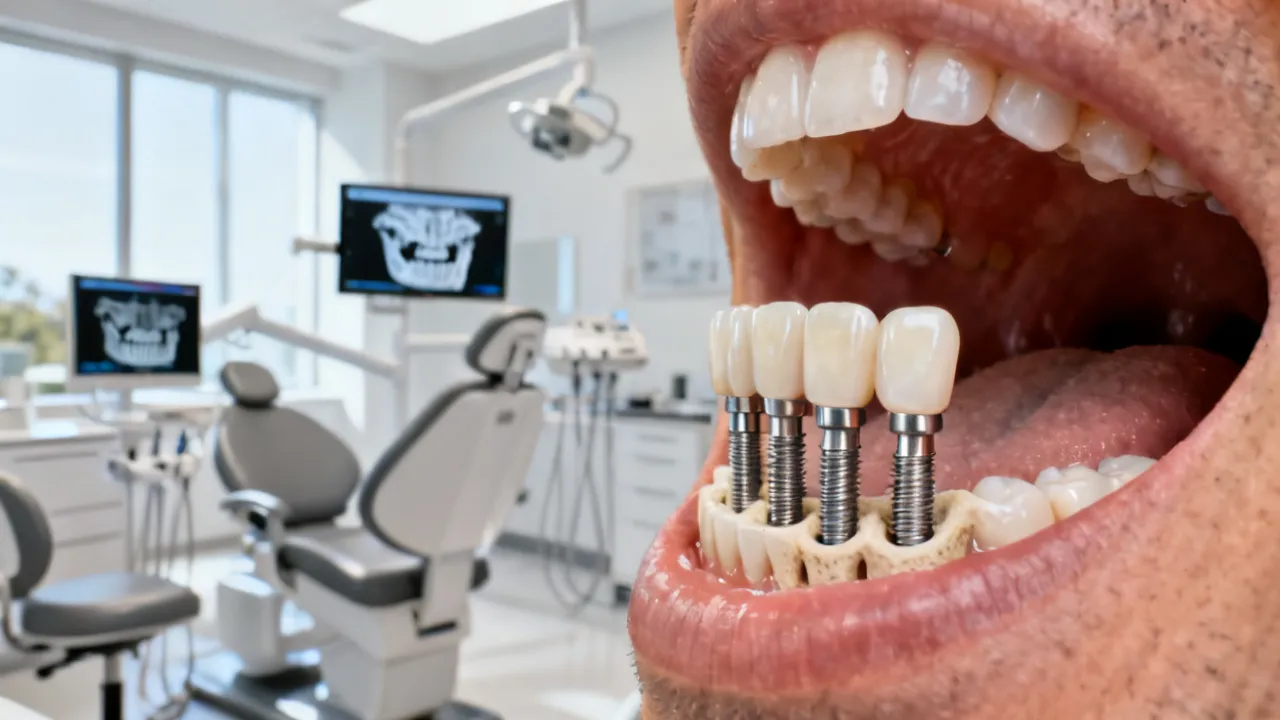
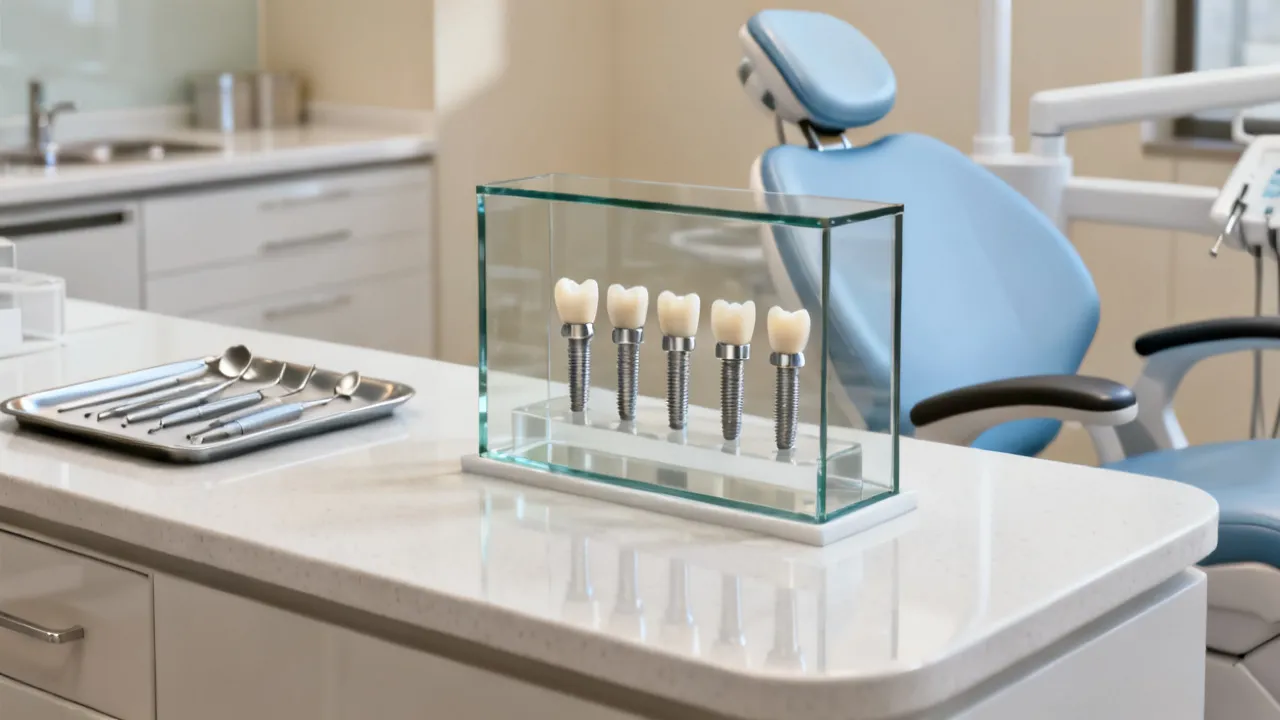
Dental implants are synthetic structures placed in the area of a tooth normally occupied by the root. They are typically anchored to the jawbone or metal framework on the bone and act as a foundation for artificial teeth or good bridges. Often made of titanium, these implants fuse with the jawbone through a process called osseointegration, providing a durable and long-lasting solution for missing teeth. This process makes dental implants stand out as a reliable option for patients; they not only restore the function of teeth but also improve the quality of life by enhancing chewing ability, speech, and smile aesthetics. The technology behind dental implants has advanced significantly over the years, making them an increasingly popular choice among dental professionals and patients alike.
The Cost of Dental Implants in California
The cost of dental implants can vary depending on several factors, including the clinic, location, and complexity of the procedure. In California, the price range for a single dental implant generally falls between $3,000 and $6,000. While this might seem steep, it is crucial to consider the benefits and longevity of implants compared to other dental restoration options. For many, the initial investment in dental implants pays off in the long run, as they can last a lifetime with proper care, unlike dentures or bridges that may need to be replaced every 5 to 10 years. Additionally, dental implants can help prevent bone loss in the jaw, thereby maintaining facial structure and preventing further dental issues, which could incur additional costs in the future.
Factors Influencing the Cost of Dental Implants
There are several key factors that play a significant role in determining the overall cost of dental implants:
- Bone Density: If a patient has experienced bone loss in the jaw, additional procedures such as bone grafting may be necessary to support the implant, increasing the overall cost.
- Technology Used: Advanced technologies, such as 3D imaging and guided implant surgery, can affect the price but often result in more accurate placements and better outcomes.
- Type of Implant: There are various types of implants (endosteal vs. subperiosteal), as well as different materials used (titanium vs. zirconia), which can affect pricing.
- Geographical Location: Prices for dental procedures can vary greatly between urban and rural areas, as well as among different states and regions.
- Dentist’s Experience: Highly experienced dental surgeons may charge more for their expertise and track record, but this can lead to better outcomes and fewer complications.
Steps to Finding Affordable Dental Implants
For potential patients considering dental implants in California, several steps can help manage costs:
- Research Clinics: Start by researching local dental clinics that offer implant services. Focus on those with an established reputation and positive reviews. It's beneficial to explore patient testimonials and look for before-and-after photographs to evaluate the quality of work performed.
- Consult Multiple Providers: Schedule consultations with multiple dentists to get a comprehensive understanding of the procedural costs involved. Ensure to ask about any hidden fees. This approach will provide comparative insights into various treatment plans and pricing structures.
- Consider Insurance Plans: Look into dental insurance plans that cover part of the implant cost. Some providers offer specific policies that are advantageous for implant procedures; for instance, certain plans may reimburse a higher percentage for surgical procedures.
- Explore Financing Options: Many dental clinics provide financing options that allow patients to pay for implants over time, easing the immediate financial burden. Some clinics partner with third-party financing companies to offer installment plans with varying interest rates and terms.
- Utilize Dental Schools: Consider getting dental treatments at dental schools. Supervised students can perform dental implant procedures at a fraction of the cost of private practices, while still maintaining high standards of care.
Comparison of Dental Implant Providers
| Provider | Special Features |
|---|---|
| Dental Views | Offers low-cost implant solutions with extensive procedure information. They may also provide an initial consultation free of charge, which can be helpful for patients in assessing their options. |
| Atlantic Dental Group | Wide range of dental services, including emergency care and orthodontics. Known for personalized treatment plans and a focus on patient education regarding all procedures. |
| DentaVacation | Specializes in dental tourism, providing cost comparisons and travel arrangements. This can be an excellent option for those considering getting dental implants at a lower cost outside California. |
Source: Dental Views, Atlantic Dental Group, DentaVacation.
Cost Ranges for Dental Implants Across English-Speaking Countries
| Country | Currency | Price Range |
|---|---|---|
| United States (US) | USD | $3,000 - $6,000 |
| United Kingdom (GB) | GBP | £2,000 - £2,500 |
| Australia (AU) | AUD | AU$3,500 - AU$6,500 |
| Canada (CA) | CAD | CA$3,000 - CA$5,500 |
This comparative overview of dental implant costs across different countries highlights the variations based on geographic and economic factors. Potential patients should weigh all these considerations carefully before making decisions.
Frequently Asked Questions
- How long do dental implants last? With proper care, dental implants can last a lifetime. Regular dental check-ups and good oral hygiene practices are crucial. Patients should also avoid habits such as smoking, which can negatively impact implant longevity.
- Are dental implants safe? Yes, dental implants are a safe and well-established medical procedure when performed by an experienced dental professional. Complications are rare, and advancements in dental technology further mitigate risks associated with the surgery.
- What is the success rate of dental implants? Dental implants have a high success rate, often cited as 95% or above, when performed under optimal conditions. Factors contributing to success include the patient's health, bone quality, and adherence to post-surgical care instructions.
- What is the recovery time after getting dental implants? Recovery time can vary by individual, but most patients can return to normal activities within a few days. Complete healing may take several months, during which the implant integrates with the jawbone. Pain and swelling may occur but are typically manageable with prescribed medication.
- Can anyone get dental implants? While most adults are eligible for dental implants, certain factors like age, medical history, and jawbone density can affect candidacy. A thorough evaluation by a dental professional is essential to determine suitability.
The Procedure for Getting Dental Implants
The process of getting dental implants usually involves several steps and may take several months to complete, depending on individual circumstances:
- Initial Consultation: The dentist performs a comprehensive examination, which may include X-rays and 3D imaging. They will discuss the patient's medical history to determine if dental implants are a suitable option.
- Treatment Planning: A customized treatment plan is created, detailing the exact procedures, timelines, and costs involved. This stage may include referrals to specialists, such as oral surgeons.
- Implant Placement: In a surgical procedure, the dentist places the titanium post into the jawbone. This step is usually performed under local anesthesia and may take only a couple of hours.
- Osseointegration: Over the next few months, the implant fuses with the jawbone. The dentist will monitor this process through follow-up visits.
- Abutment Placement: Once healed, the dentist attaches an abutment to the implant. This small connector will hold the crown in place, and may require a second surgery if the implant is placed below the gum line.
- Crown Placement: Finally, the custom-made crown is placed on the abutment, restoring the natural appearance and functionality of the tooth.
Benefits of Dental Implants
When considering dental implants, the long-term benefits are noteworthy:
- Improved Aesthetics: Dental implants closely resemble natural teeth, leading to a more confident smile and better self-esteem.
- Enhanced Comfort: Unlike dentures, which can cause discomfort, dental implants are securely anchored into the jaw and feel like natural teeth.
- Better Oral Health: Dental implants help maintain jawbone integrity and prevent bone loss, ultimately preserving face shape.
- Ease of Eating: Implants allow patients to eat a wide range of foods without discomfort, improving dietary options and nutrition.
- Long-term Savings: Although the upfront costs can be high, implants can ultimately save money over time as they do not require frequent replacements like dentures.
Alternatives to Dental Implants
For patients who are not candidates for dental implants or who seek an alternative solution, several options exist:
- dentures: Traditional dentures can replace missing teeth but may not offer the same stability or comfort as dental implants. They require regular adjustments and may not prevent bone loss as effectively as implants.
- Bridges: Dental bridges can replace one or more missing teeth by anchoring to adjacent teeth. While they can be a more affordable option, they do require altering surrounding teeth, which may increase the risk of future dental issues.
- Mini Dental Implants: These smaller implants may be a suitable option for patients with limited bone density. They can be used to secure dentures or partials, offering improved stability.
- Resin-Bonded Bridges: Also known as Maryland bridges, these are less invasive and do not require altering adjacent teeth. They can serve as a temporary measure while exploring permanent solutions.
Conclusion
Dental implants in California represent a reliable option for those seeking to restore their smiles and dental health. Understanding the costs associated, overcoming obstacles to affordable dental care, exploring comparison shops among dental providers, and familiarizing oneself with the procedure can prepare prospective patients for the journey ahead. With several financing options available and quality providers across the state, dental implants are becoming accessible to a broader range of individuals. As always, consulting with experienced dental professionals will ensure the best treatment path is chosen ultimately leading to a happier and healthier life.
Disclaimer: The above information comes from online resources, and the data is as of October 2023. Dental implant prices are for reference only and may vary by region, clinic, and doctor.
Reference Links: