Implant Dental: A Comprehensive Guide
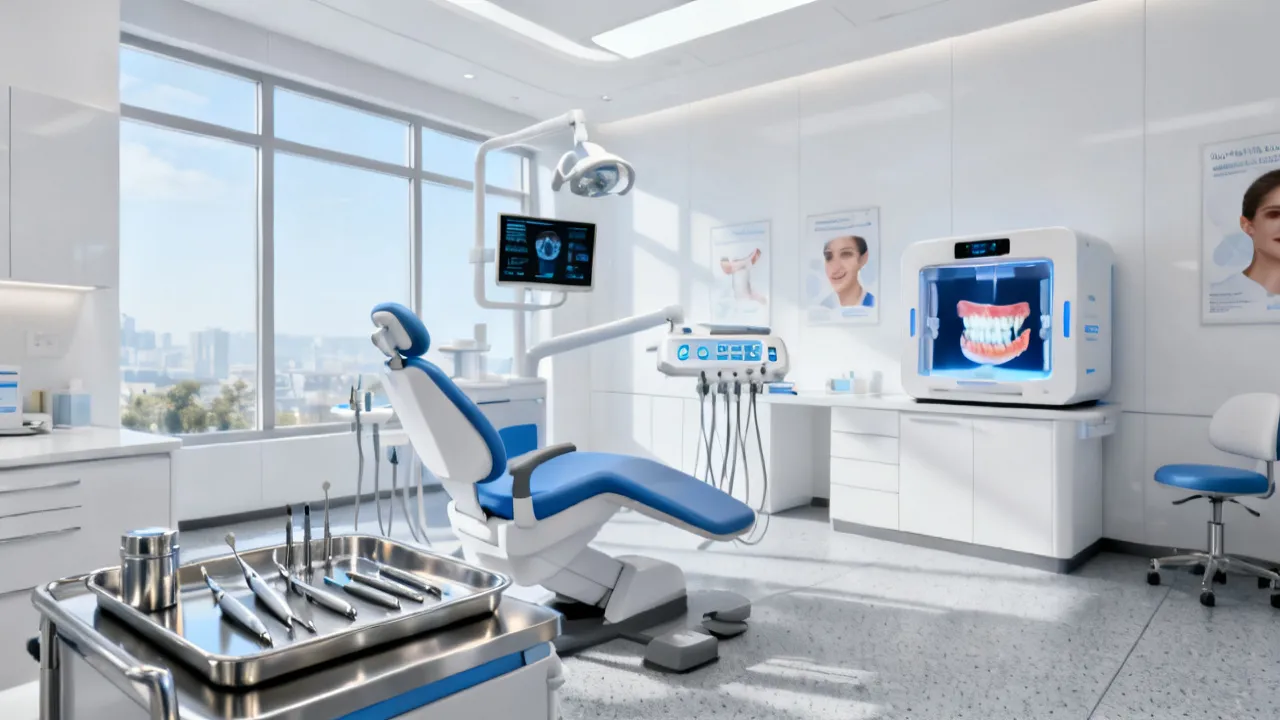
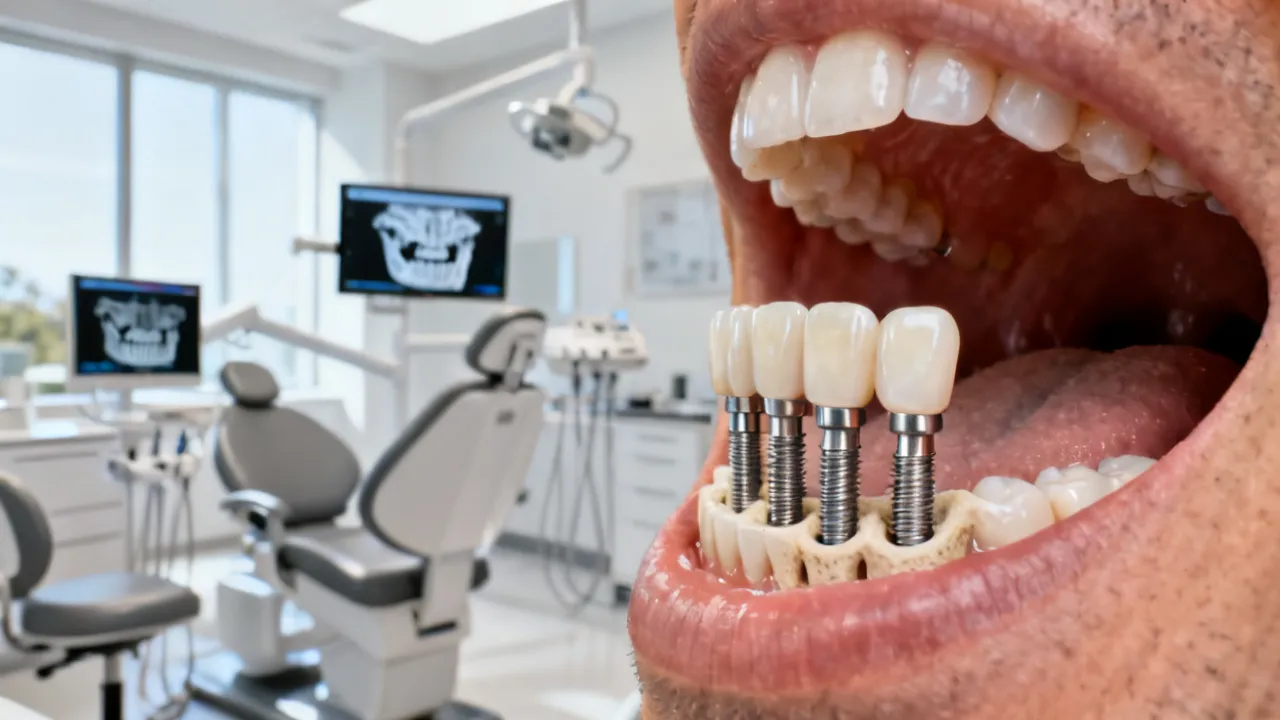
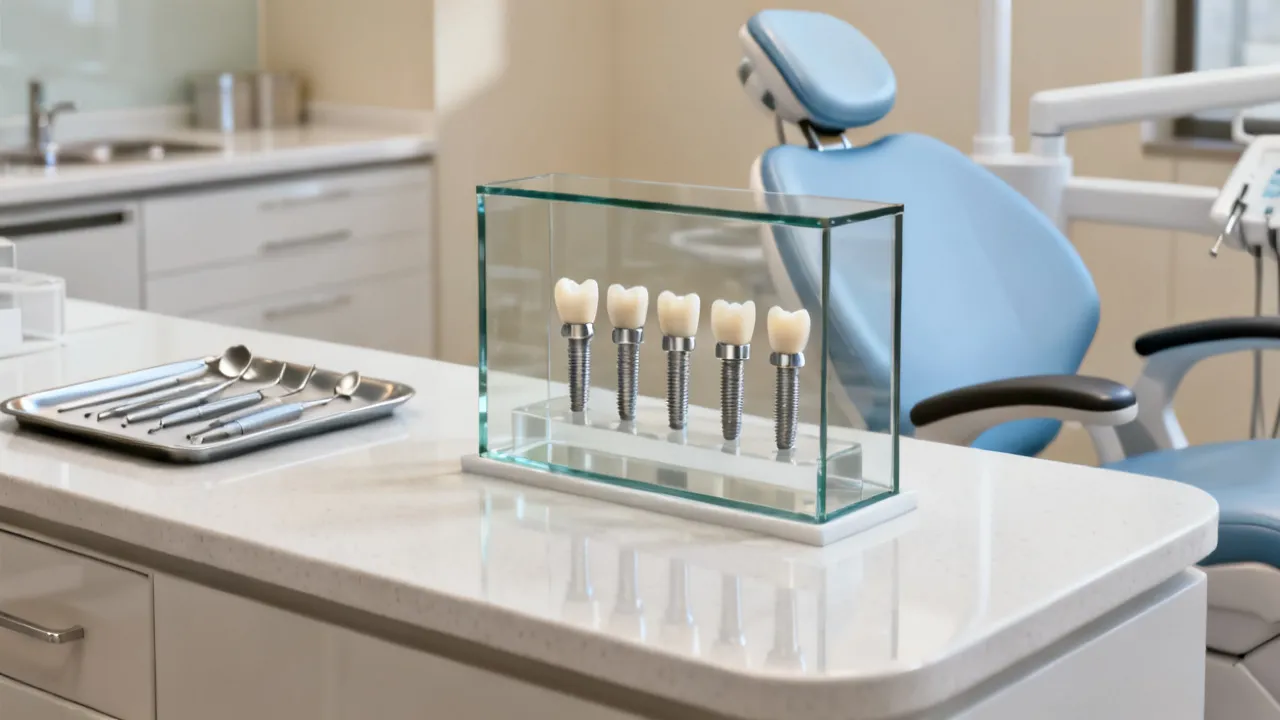
The focus of this guide is to explore the realm of dental implants, pivotal in modern dentistry for replacing missing teeth. Implant dental procedures involve surgically embedding a titanium post into the jawbone, which acts as a root for artificial teeth. Dental implants are vital for improving oral function and aesthetics, often recommended for patients seeking reliable and good solutions for tooth loss.
Understanding Implant Dental
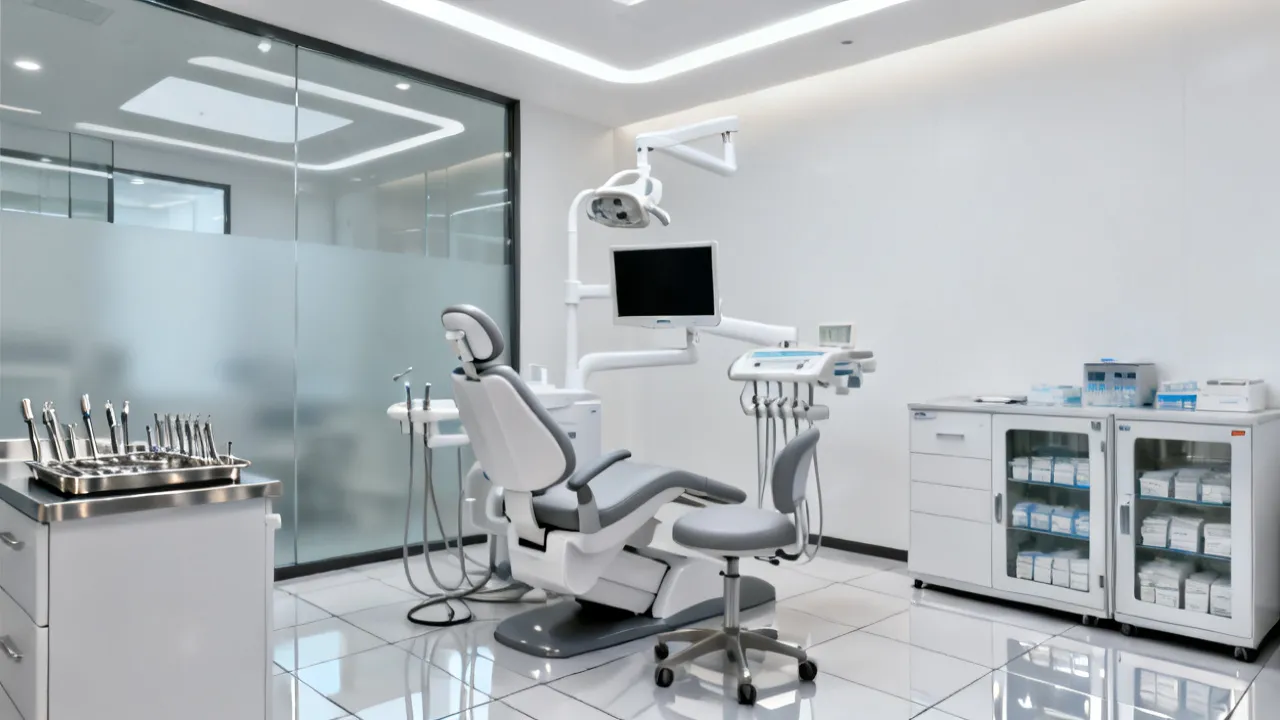
Dental implants serve as a groundbreaking solution in restorative dentistry, offering substantial benefits such as improved speech, comfort, and oral health. Unlike dentures, they provide a good and secure method for tooth replacement, enhancing both functionality and aesthetics. The implant process involves anchoring a titanium post into the jawbone, which acts as an artificial root for the prosthetic tooth. This process can significantly enhance the quality of life for individuals who have lost teeth, as implants function similar to natural teeth, restoring not only the ability to chew but also the confidence in one’s smile. Moreover, diverse techniques for placing implants have emerged, such as immediate loading implants, which enable patients to have temporary teeth fitted right after the surgery, thus minimizing the waiting period.
Advantages and Considerations
One of the primary benefits of dental implants is their stability, which allows individuals to speak and eat without the inconvenience typical of dentures. Additionally, implants help maintain jawbone integrity and facial structure, preventing bone loss that often accompanies missing teeth. The process of osseointegration, where the titanium post fuses with the bone, provides a strong foundation for the replacement tooth, making it a permanent solution for tooth loss. However, it is essential to note that candidates for dental implants must have sufficient bone mass in the jaw and be committed to maintaining good oral hygiene. Regular dental check-ups are crucial in monitoring the condition of the implants, as are routine oral hygiene practices that include brushing, flossing, and potentially using antibacterial mouthwash.
Furthermore, it is important to discuss potential risks or complications with the dental professional, though these are rare when proper procedures are followed. Some patients may experience discomfort or swelling after the procedure, which usually subsides within a few days. Adjacent teeth must also be healthy to support the new implant effectively, and any underlying dental issues should be addressed prior to surgery.
Cost and Accessibility
The cost of dental implants can vary significantly based on geographical location, the complexity of the procedure, and the specific dental clinic. In English-speaking countries, the cost ranges are as follows:
| Country | Currency | Price Range |
|---|---|---|
| United States (US) | USD | $3,000 - $6,000 |
| United Kingdom (GB) | GBP | £2,000 - £2,500 |
| Australia (AU) | AUD | AU$3,500 - AU$6,500 |
| Canada (CA) | CAD | CA$3,000 - CA$5,500 |
Sources: [Dental Views](https://dentalviews.com/low-cost-dental-implants), [Atlantic Dental Group](https://www.atlanticdentalgrp.com/), [DentaVacation](https://www.dentavacation.com/), [ADHP](https://rockvilledentalarts.com/es/)
In addition to the initial cost of the implant, patients should also consider possible financing options, as many dental offices offer split payment plans or financing through third-party services. Dental insurance policies may cover a portion of the implant cost, though this varies significantly by provider and the specifics of the policy. It's vital for patients to check their coverage details thoroughly and inquire about the financial options available at their dental practice to avoid unexpected financial burdens.
Accessing Low-Cost Dental Implants
English-speaking countries provide various pathways to access more affordable dental implant options. Patients may consider exploring dental tourism, where they travel to countries offering lower-cost services while ensuring high-quality care. Organizations like DentaVacation facilitate these arrangements by providing information on dental procedures abroad. Popular destinations for dental tourism often include Mexico, Costa Rica, and Hungary, where patients can save a significant amount on procedures while receiving treatment from qualified professionals.
In these countries, clinics tend to offer a comprehensive package that includes not only the procedure itself but often accommodations and transportation as well. This can make the overall experience both cost-effective and convenient. However, thorough research is essential to ensure that the chosen facility meets international accreditation standards. Online reviews, verified certifications, and recommendations from previous patients can provide valuable insights into the quality of care offered.
Patients should also prepare adequately for their trip, including consultations over video calls ahead of arriving to ensure that all their questions are answered and to develop a clear understanding of the procedure and aftercare. Ensuring proper aftercare is essential when undergoing dental procedures abroad, as follow-up visits to the originating clinic may not be feasible. Many international clinics provide detailed aftercare instructions and are readily available for follow-up consultations, often through remote communication.
FAQs
What are dental implants? Dental implants are artificial tooth roots, typically made of titanium, embedded into the jawbone to support prosthetic teeth, providing a long-lasting substitute for missing teeth. They are designed to integrate seamlessly with your jawbone and provide a stable foundation for replacement teeth, maintaining functionality for years.
How long do dental implants last? With proper care and maintenance, dental implants can last a lifetime, although the prosthetic crown may require periodic replacement. Regular dental check-ups can help ensure that both the implant and surrounding teeth remain healthy.
Who is eligible for dental implants? Candidates should have sufficient jawbone density, healthy gums, and be committed to good oral hygiene. A thorough consultation with a dentist is required to determine suitability. Factors such as medical history, lifestyle habits such as smoking, and other conditions can impact a patient’s candidacy, making the consultation a critical step in determining the best course of action.
What are the different types of dental implants? There are primarily two types of dental implants: endosteal implants and subperiosteal implants. Endosteal implants are surgically placed directly into the jawbone, while subperiosteal implants are placed under the gum but above the jawbone, typically used in patients who do not have sufficient healthy jawbone. Each type carries its indications, advantages, and disadvantages, which will be carefully evaluated by the dental professional during the consultation.
Are dental implants painful? Most patients report that the pain associated with dental implants is minimal. Local anesthesia is generally used during the procedure, and any post-operative discomfort can typically be managed with over-the-counter pain medications. However, individual pain tolerance varies, and some patients may require a prescription for stronger pain relief after surgery.
What is the healing time for dental implants? The healing time can vary from person to person, but typically, the initial healing period for the implant site can take anywhere from three to six months, during which the bone fuses with the implant. After this period, your dentist will evaluate the site and determine if it is ready for the placement of the crown.
Conclusion
Overall, dental implants offer a revolutionary option for individuals experiencing tooth loss, combining aesthetics with functionality and good oral health benefits. They represent a long-term solution that can enhance quality of life by restoring not only the ability to chew and speak, but also confidence in one's smile. As with any medical procedure, a detailed consultation with a qualified dental professional is essential to understand the top options available for your specific needs, the full scope of the procedure, potential risks, and aftercare requirements. Investing time into thorough research and communication with dental professionals can lead to successful outcomes and a noteworthy improvement in oral health. Furthermore, fostering an understanding of the importance of maintaining good oral hygiene and regular dental visits is critical in prolonging the life of dental implants, ensuring that patients enjoy all the benefits they offer.
Disclaimer
1. The above information comes from online resources and data is accurate as of October 2023. 2. Dental implant prices are for reference only and may vary by region, clinic, and doctor. It's advisable to have an in-depth discussion about costs with your chosen clinic prior to making final decisions.
References
Links and sources:
- [Dental Views](https://dentalviews.com/low-cost-dental-implants)
- [Atlantic Dental Group](https://www.atlanticdentalgrp.com/)
- [DentaVacation](https://www.dentavacation.com/)
- [ADHP (American Dental Health Plans)](https://rockvilledentalarts.com/es/)
- [American Academy of Implant Dentistry](https://www.aaid-implant.org)
- [National Institute of Dental and Craniofacial Research](https://www.nidcr.nih.gov/)
- [Implant Dentistry Research](https://www.implantdentistryres.com)