Comprehensive Guide to Implant Dental
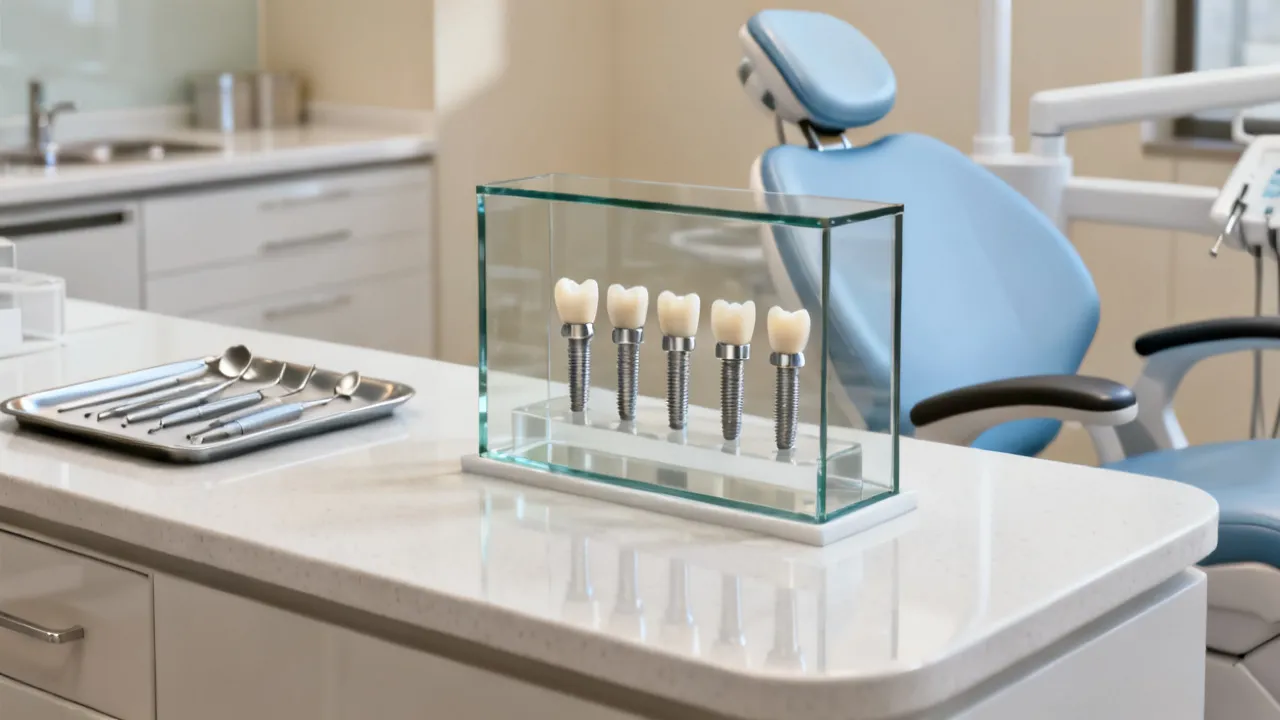
This guide offers insights into implant dental procedures, focusing on affordable options in different regions, advantages, and the implant process. Implant dentistry refers to the good solution of replacing missing teeth. As a good answer for oral health, dental implants provide strength, durability, and aesthetic appeal, making them a highly sought-after option for a wide patient base globally.
Understanding Implant Dental
Dental implants represent a transformative solution in modern dentistry, providing a durable and aesthetically pleasing substitute for missing teeth. Unlike traditional bridges or dentures, which can slip, be uncomfortable, or require frequent adjustment, dental implants offer improved speech, comfort, and mouth functionality, closely mimicking natural teeth. They are intended not only to restore the appearance of a person’s smile but also to enhance their overall oral health.
The History of Dental Implants
The concept of replacing lost teeth is not new; evidence of tooth replacement can be traced back thousands of years. The earliest attempt at dental implants dates back to ancient Egypt, where there are records of carved stones and even shells used to replace missing teeth. However, the modern iteration of dental implants began in the 1960s when Dr. Per-Ingvar Brånemark discovered the osseointegration process, where the body would accept titanium as part of the bone structure.
Since then, technological advancements have greatly improved the design and success rate of dental implants. Innovations, including specific implant shapes, surface technologies, and the adoption of new materials, have helped to refine techniques and procedures for implant placement.
The Advantages of Dental Implants
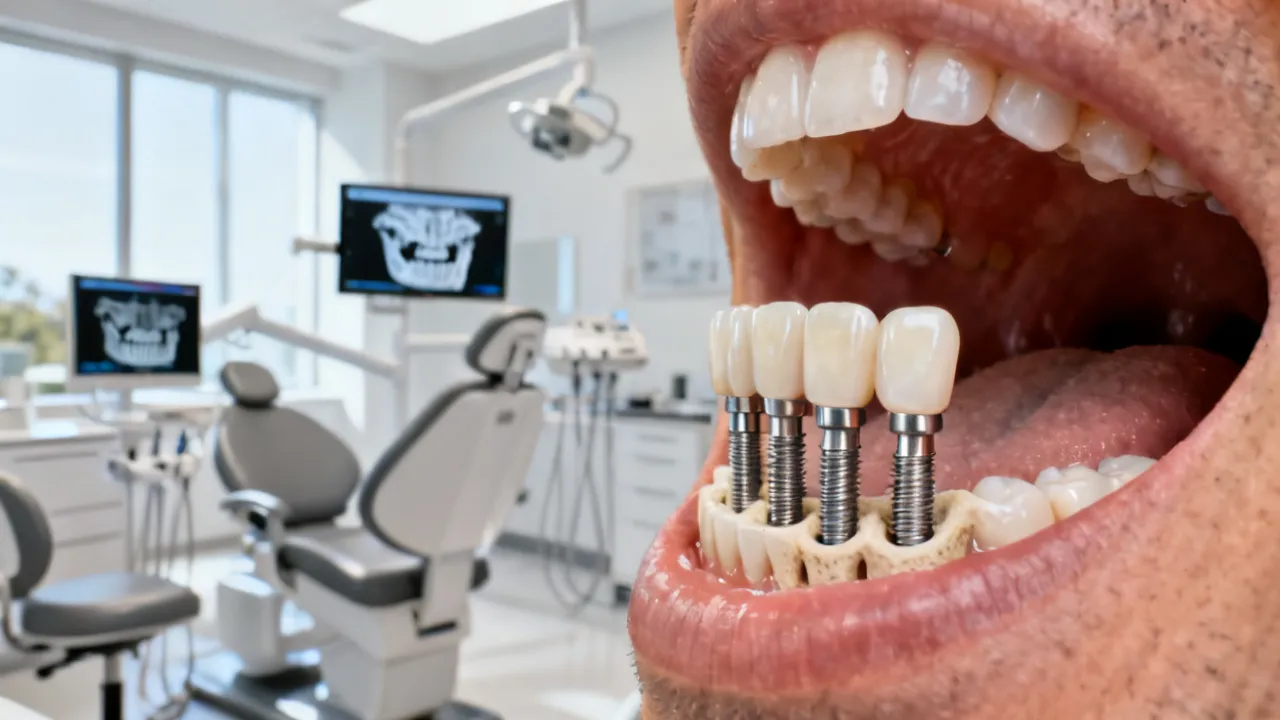
The dental implant process involves surgically inserting an artificial tooth root made from biocompatible materials, primarily titanium, into the jawbone. This implant serves as a stable base for a replacement tooth or crown, allowing for optimal strength and durability. This method restores not just the physical appearance but also the functional capacity of lost or damaged teeth, making it a preferred choice among patients who prioritize good oral health solutions.
Some noteworthy advantages of dental implants include:
- Natural Look and Feel: Implants are designed to look and feel like your natural teeth, enhancing self-esteem and overall quality of life.
- Improved Functionality: Many people find it easier to eat with dental implants versus traditional dentures; they can chew food much like they would with natural teeth.
- Bone Preservation: When a tooth is lost, the bone beneath it can deteriorate. Implants help preserve bone density by stimulating the bone, preventing the deterioration associated with missing teeth.
- Long-Lasting Investment: With proper care and maintenance, implants can last many years, often a lifetime, which may make them more cost-effective in the long term compared to dentures or bridges.
- Convenience: Unlike dentures, dental implants eliminate the need for messy adhesives or frequent adjustments, providing a hassle-free solution for tooth replacement.
Low-Cost Dental Implant Options
While dental implants are typically seen as a premium option due to their cost, various options exist for patients seeking more affordable solutions without compromising on quality. Numerous clinics offer financing plans, non-profit support, or travel arrangements to countries where dental care costs are lower, making this treatment accessible to a wider audience. Patients can explore what funding options are available through their dental insurance as well as inquire about promotional offers at local dental practices, which may help mitigate high initial costs.
For those considering dental tourism, countries like Mexico, Costa Rica, and Turkey have established themselves as popular destinations for high-quality dental treatments at significantly lower prices. Patients should conduct thorough research to ensure the clinics they are considering maintain high standards of hygiene and patient care.
Comparative Table of Dental Implant Providers
| Provider | Main Features |
|---|---|
| Dental Views | Focus on low-cost solutions, detailed implant processes, and pricing information. |
| Atlantic Dental Group | Comprehensive dental services including implants, with appointment scheduling. |
| DentaVacation | Dental tourism facilitating affordable care through international travel arrangements. |
Source: [Dental Views](https://dentalviews.com/low-cost-dental-implants/), [Atlantic Dental Group](https://www.atlanticdentalgrp.com/), [DentaVacation](https://www.dentavacation.com/)
Obtaining Low-Cost Implants in Various Regions
For English-speaking countries, patients may consider exploring options locally or internationally. The following table provides a cost breakdown of individual dental implants across English-speaking territories:
| Country | Currency | Price Range |
|---|---|---|
| United States | USD | $3,000 - $6,000 |
| United Kingdom | GBP | £2,000 - £2,500 |
| Australia | AUD | AU$3,500 - AU$6,500 |
| Canada | CAD | CA$3,000 - CA$5,500 |
Strategies to reduce costs involve researching insurance plans like those offered by ADHP, which can cover a significant portion of dental expenses. Additionally, many dental schools offer lower-cost services performed by students under the supervision of licensed professionals, which can also be a financially viable option for those interested in dental implants. Consideration of dental tourism via platforms like DentaVacation can also reduce expenses, but make sure to investigate the credentials of foreign clinics thoroughly.
The Dental Implant Process in Detail
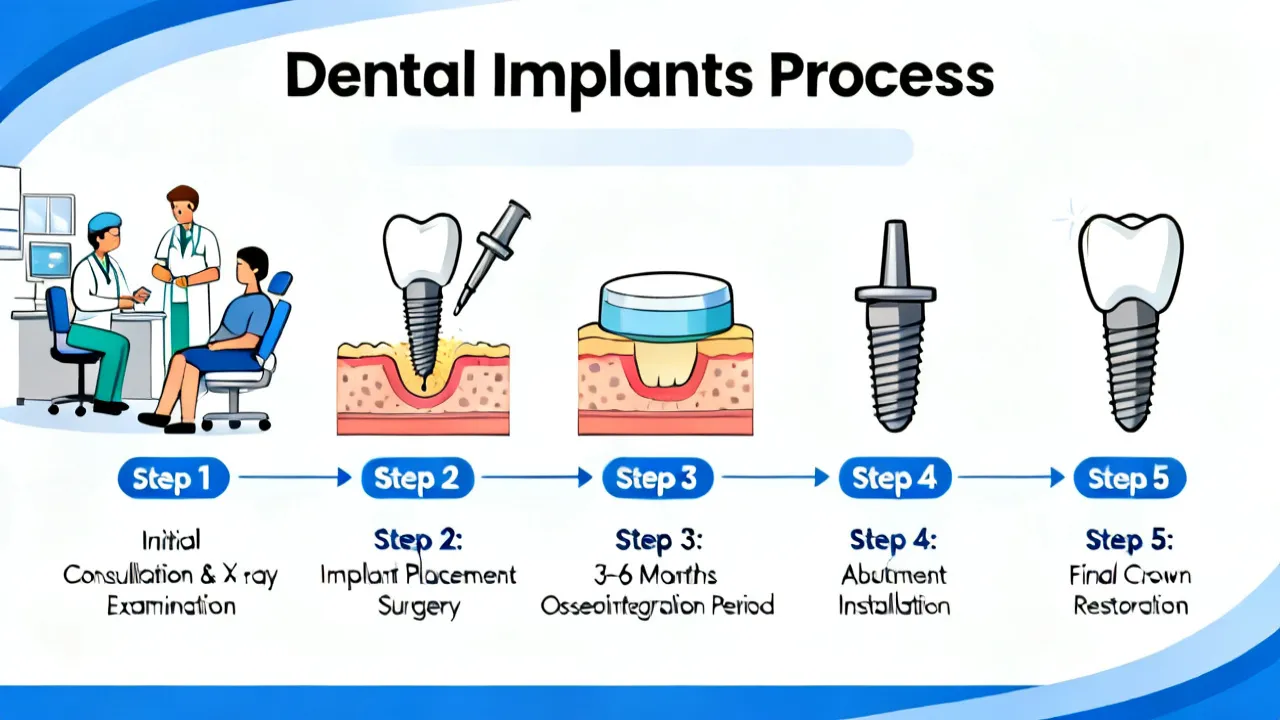
The dental implant procedure typically involves several stages, starting with a thorough initial consultation where the dentist assesses the patient's oral health, jawbone density, and medical history. This step helps to determine the most suitable implant type and whether additional procedures, such as bone grafting, are necessary for optimal results.
The next step is the surgical insertion of the implant, which usually requires local anesthesia or sedation. Following the insertion, a crucial healing phase occurs, generally lasting anywhere from three to six months, during which osseointegration takes place; the jawbone grows around the implant, ensuring stability.
After sufficient healing, another visit is scheduled for attaching the abutment, a small connector post that holds the crown. This procedure is relatively straightforward and typically done under local anesthesia. Finally, impressions of the mouth are taken to fabricate the custom crown that will complete the restoration. This is followed by a final fitting visit to attach the crown securely to the abutment.
Through all these stages, clear communication and follow-up care are essential. Patients should adhere to post-surgical instructions diligently, including maintaining oral hygiene and attending follow-up appointments, to guarantee successful integration and function of the implant.
Frequently Asked Questions (FAQs)
- How long do dental implants last? With proper care, dental implants can last a lifetime. Regular dental checkups and good oral hygiene practices are critical to their longevity.
- Is the procedure painful? Anesthesia ensures the procedure is largely pain-affordable; however, some discomfort may follow post-surgery, but this can usually be managed with over-the-counter pain relief.
- What materials are used in dental implants? Commonly used materials include titanium, which is favored for its strength and biocompatibility, and zirconia, often chosen for its aesthetic qualities.
- Can anyone get dental implants? Most individuals with healthy gums and sufficient jawbone are suitable candidates. However, factors such as age, existing health conditions, and lifestyle choices may affect eligibility.
- What kind of maintenance do dental implants require? Similar to natural teeth, implants require regular brushing, flossing, and routine dental visits for maintenance. It’s also advisable to avoid habits like smoking and grinding teeth, which can jeopardize their longevity.
Potential Risks and Complications
While dental implants have a high success rate, they are not without risks. Potential complications may include:
- Infection: Like any surgical procedure, implantation carries a risk of infection at the implant site if not cared for properly.
- Implant Failure: Factors such as insufficient bone density or poor oral hygiene can lead to implant failure, necessitating removal.
- Nerve Damage: Surrounding nerve tissues can sometimes be adversely affected during implant surgery, leading to sensations like tingling or numbness.
- Sinus Issues: For upper jaw implants, protrusion into the sinus cavity can occur, impacting sinus health.
It is essential to discuss all potential risks and complications with a qualified dental professional before proceeding with treatment. Establishing an open dialogue will provide insights into what you should expect and prepare for throughout the implant process.
Conclusion
Dental implants are an innovative solution for those seeking effective, durable, and aesthetic teeth restoration. They facilitate an improved quality of life, enabling restored functionality and self-confidence for individuals with missing teeth. Beyond the obvious aesthetic improvements, they also contribute significantly to overall oral health, making them a worthwhile investment for many people.
As with any healthcare decision, thorough research on costs, providers, and the implant process is crucial. Consultation with qualified dental professionals will ensure informed decisions aligned with individual oral health goals. Understanding the commitment involved and knowing the importance of aftercare is vital for ensuring the longevity and success of dental implants.
Disclaimer: The above information comes from online resources, and the data is as of October 2023. Dental implant prices are for reference only and may vary by region, clinic, and doctor.
References and additional reading: Dental Views, Atlantic Dental Group, DentaVacation, and Rockville Dental Arts.