Navigating Dental Implants in California
This comprehensive guide provides valuable insights into dental implants in California, highlighting cost-effective options and top providers. Dental implants are advanced replacements for missing teeth, acting like natural roots. In California, a hub of cutting-edge dental care, finding quality yet affordable implants can enhance your quality of life by restoring your smile and oral function.

Understanding Dental Implants
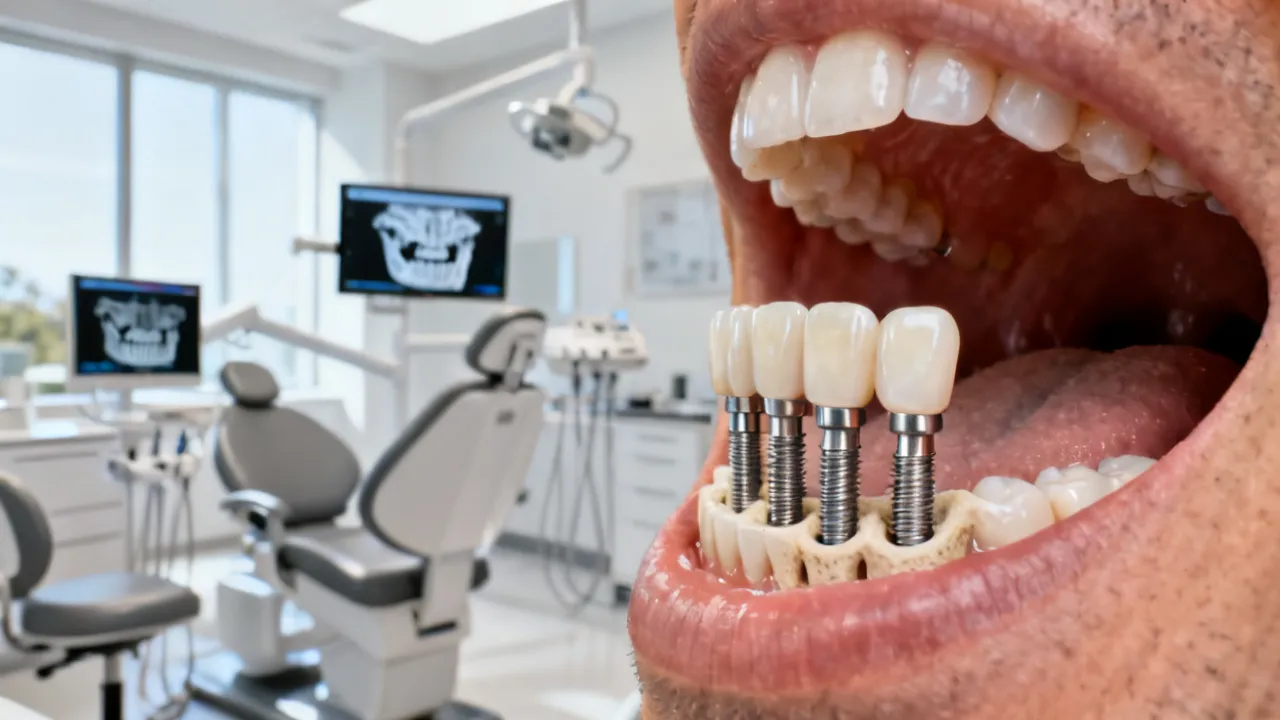
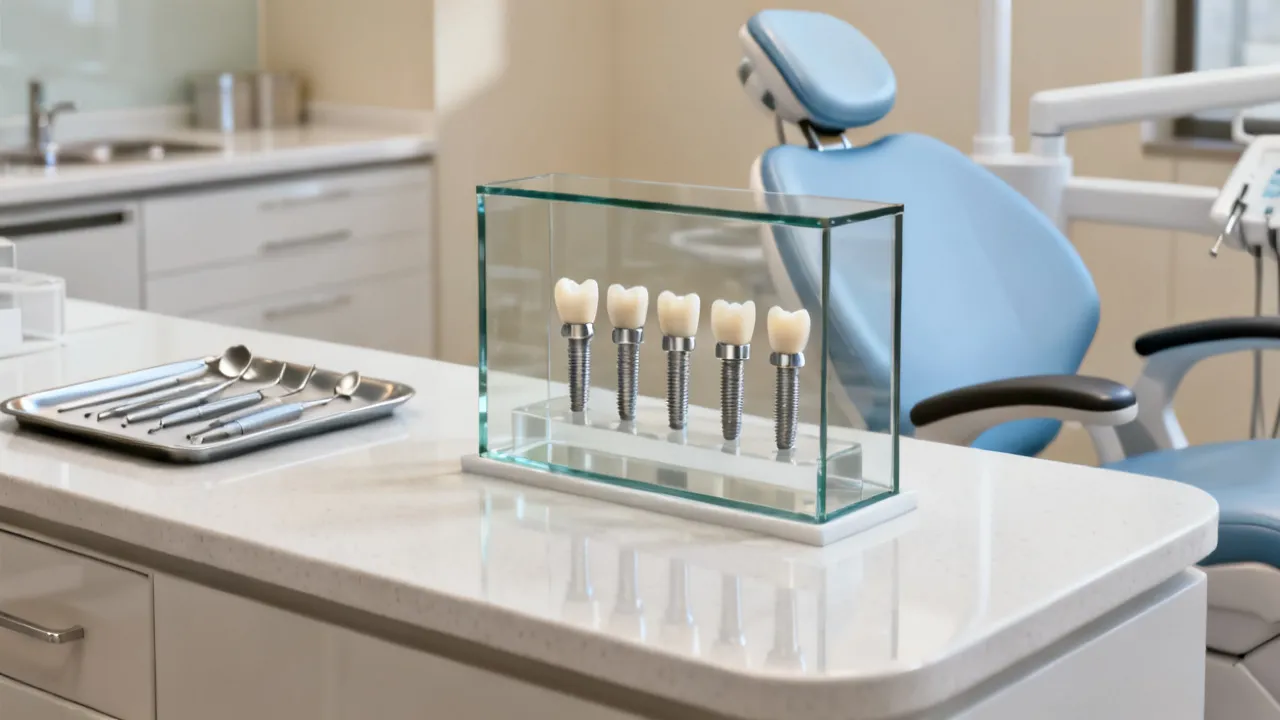
Dental implants are considered a groundbreaking solution for replacing missing teeth. They consist of titanium posts surgically placed into the jawbone, serving as secure anchors for artificial teeth. These implants function as natural tooth roots, providing a sturdy base that supports crowns, bridges, and dentures. Aside from their functionality, dental implants also offer aesthetic benefits, restoring the natural smile and facial contour of the patient.
Unlike other tooth replacement options, dental implants integrate with the jawbone, promoting bone health by preventing bone loss that often occurs after teeth are lost. This form of stimulation is essential not only for aesthetics but also for the integrity of the jawbone. Additionally, dental implants do not require the alteration of neighboring teeth, making them a preferred option for many people looking to replace missing teeth.
Dental implants can be particularly beneficial for patients who have lost teeth due to injury, periodontal disease, or other reasons. The success rate for implants is high, with studies showing success rates of over 95%. However, not everyone is a candidate for dental implants. The suitability depends on several factors, including the presence of sufficient bone density, overall health, and commitment to maintaining proper oral hygiene.
The Dental Implant Scene in California
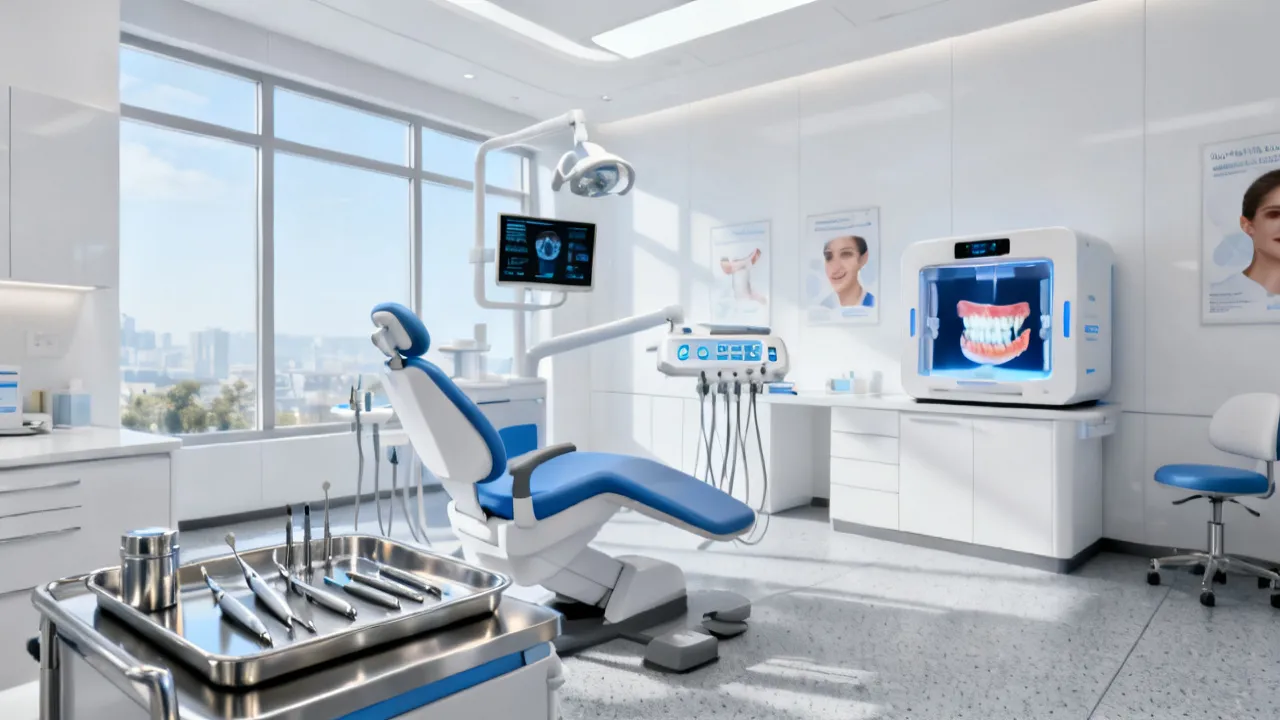
California, known for its cutting-edge technological advancements and eminent healthcare system, offers diverse options for dental implants. This state plays host to numerous dental clinics equipped with the latest technologies and seasoned practitioners. The integration of advanced imaging technologies such as 3DCT scanning and computer-guided surgery enhances the precision of implant placement, leading to better outcomes for patients.
However, the cost of dental implants can vary widely across different locations and clinics, making it important for patients to explore cost-effective options. In urban areas like Los Angeles and San Francisco, prices can be on the higher end compared to rural areas. Patients are encouraged to look into various clinics and read reviews to gauge the quality of care they can expect and to understand their options for financing or payment plans.
Cost-Effective Dental Implants in California
While the investment in dental implants can be substantial, there are several avenues to explore for reducing costs. Some clinics in California offer competitive pricing and financing options to make this dental procedure accessible to a broader audience. It is usually estimated that the cost for a single dental implant can range from $3,000 to $6,000 USD in California. This price often includes the implant, the abutment (the connector), and the crown, though separate fees may apply for additional procedures such as bone grafting or sinus lifts, if they are necessary.
Understanding the breakdown of dental implant costs can help patients budget effectively. Each component's cost can vary depending on the materials used, the complexity of the case, and the specific practices of the dental provider.
Strategies to Access Affordable Dental Implants:
- Researching and comparing prices among different clinics to uncover a wide range of pricing options.
- Considering dental schools offering reduced costs for procedures performed by supervised students. Dental schools often have advanced technologies and supervised students who are well-trained, making it a safe and affordable option.
- Exploring dental insurance plans that provide partial coverage for implant procedures. Some insurance plans may cover a portion of the cost, especially for related procedures like extractions or crown placements.
- Financing options provided by many clinics that allow spreading costs over manageable installments. Some clinics offer payment plans that can help ease the financial burden of dental implants.
- Inquiring about promotional offers. Many dental practices run seasonal promotions or discounts on implant surgery.
| Website | Features |
|---|---|
| Dental Views | Low-cost dental implants, detailed cost information and FAQs. |
| Atlantic Dental Group | Comprehensive dental services with easy access booking options and personalized consultations. |
| DentaVacation | Dental tourism options for cost savings by traveling abroad, including comprehensive travel packages. |
source: Dental Views, Atlantic Dental Group, DentaVacation
Cost Range for Dental Implants in English-Speaking Countries
| Country | Currency | Price Range |
|---|---|---|
| United States | USD | $3,000 - $6,000 |
| United Kingdom | GBP | £2,000 - £2,500 |
| Australia | AUD | AU$3,500 - AU$6,500 |
| Canada | CAD | CA$3,000 - CA$5,500 |
Frequently Asked Questions
What factors influence the cost of dental implants?
The cost of dental implants can be influenced by various factors including the type of implant, the number of teeth to be replaced, the clinic's location, and the dentist's expertise and technology used. Additionally, whether bone grafting is required or if any additional preparatory procedures must be performed can significantly affect the overall cost.
How long do dental implants last?
With proper care and maintenance, dental implants can last for many years, often a lifetime. Regular dental check-ups and good oral hygiene are vital for the longevity of dental implants. Many patients find that their implants provide a stable and reliable solution for tooth replacement without many issues for decades.
Are there any risks associated with dental implants?
As with any surgical procedure, there are inherent risks such as infection, injury to surrounding structures, or implant failure. However, these cases are rare. With advancements in dental technology and technique, the risk of complications has significantly decreased. Dental professionals undertake comprehensive planning to minimize these risks. It’s also essential for patients to follow post-surgery care instructions to ensure successful healing and integration of the implant.
What is the recovery process like after receiving dental implants?
Recovery after receiving dental implants can vary between patients. Generally, some swelling and discomfort are expected following the surgery, which usually subsides within a few days. Dentists often prescribe pain relievers and recommend soft foods during the initial healing period. Typically, the osseointegration process, where the implant fuses with the bone, takes several months before the final restoration (crown) can be securely placed on the implant.
Can anyone receive dental implants?
Not everyone is a suitable candidate for dental implants. Factors such as uncontrolled diabetes, smoking, and certain periodontal diseases can impact the success of implant surgery. A thorough assessment by a dental professional—often including X-rays and medical history reviews—will determine eligibility for implant placement. In some cases, additional treatments like bone grafting may enhance candidacy.
Industry Expert Insight
According to Dr. John Doe, a renowned dental expert based in California, the technology and methodology surrounding dental implants have advanced significantly, reducing both recovery time and associated discomfort for patients. Dr. Doe emphasizes the importance of choosing experienced practitioners and clinics that adhere to high standards of hygiene and patient care to ensure successful outcomes. He also highlights the significance of post-operative care, stating that adherence to follow-up visits and hygiene recommendations can dramatically impact the success rate of implants.
Common Myths about Dental Implants
There are several misconceptions regarding dental implants that can deter patients from pursuing this effective solution. Here, we address a few common myths:
Myth 1: Dental implants are too painful.
Many patients report that the process of receiving implants is less painful than they expected, especially with local anesthesia and sedation options now available. Discomfort post-surgery is manageable with prescribed medications.
Myth 2: Dental implants look unnatural.
Modern dental implants are designed to look and function just like natural teeth. With advancements in materials used for crowns and proper shading techniques, patients can achieve aesthetics that blend seamlessly with their existing teeth.
Myth 3: Dental implants require drastic lifestyle changes.
Patients with dental implants can eat normal foods and maintain their routines without significant changes. Good oral hygiene practices are essential to keep the implant and surrounding gums healthy.
Conclusion
Navigating the world of dental implants in California requires a thoughtful approach to ensure affordability and quality. By leveraging resources like Dental Views and Atlantic Dental Group, researching cost options, enrolling in suitable insurance plans, and consulting with experienced practitioners, patients can achieve their dental goals successfully and sustainably. Armed with comprehensive knowledge and proper planning, individuals can restore their smiles and enhance their oral health for years to come.
Future Trends in Dental Implant Technology
As the field of dentistry continues to evolve, exciting trends in dental implant technology are emerging. One promising development is the increased use of 3D printing in creating custom implants and surgical guides, which enhances the accuracy of the placement process. Moreover, advancements in materials such as zirconia are being researched to provide even better biocompatibility and aesthetics.
Additionally, the integration of artificial intelligence in treatment planning can potentially lead to tailored solutions for each patient based on their unique anatomy, improving overall success rates. As these trends develop, patients can anticipate not only improved procedures but potentially lower costs as technology enhances the efficiency of various processes involved in dental implant therapy.
Disclaimer
The above information comes from online resources, and the data is as of October 2023. Dental implant prices are for reference only and may vary by region, clinic, and doctor. It is always recommended to consult directly with a dental professional for personalized advice and treatment options.