Understanding Dental Implant Options
This guide explores dental implants, an effective solution for tooth loss. Dental implants are artificial roots inserted into the jawbone to support crowns or bridges. They provide a durable solution that mimics natural tooth functions. Discover various costs and providers across English, Spanish, and Portuguese-speaking countries and learn how to access affordable care.
Introduction to Dental Implants
Dental implants have emerged as a transformative option for those suffering from tooth loss. They serve as artificial roots that anchor crowns or bridges, offering a solution that mirrors natural teeth both aesthetically and functionally. Dental implants are not just a cosmetic fix; they significantly improve the patient's oral health by maintaining jawbone integrity and preventing the shifting of adjacent teeth. The procedure has become increasingly sophisticated, utilizing advanced technology and innovative materials that contribute to their high success rates and longevity.
Understanding the Anatomy of Dental Implants
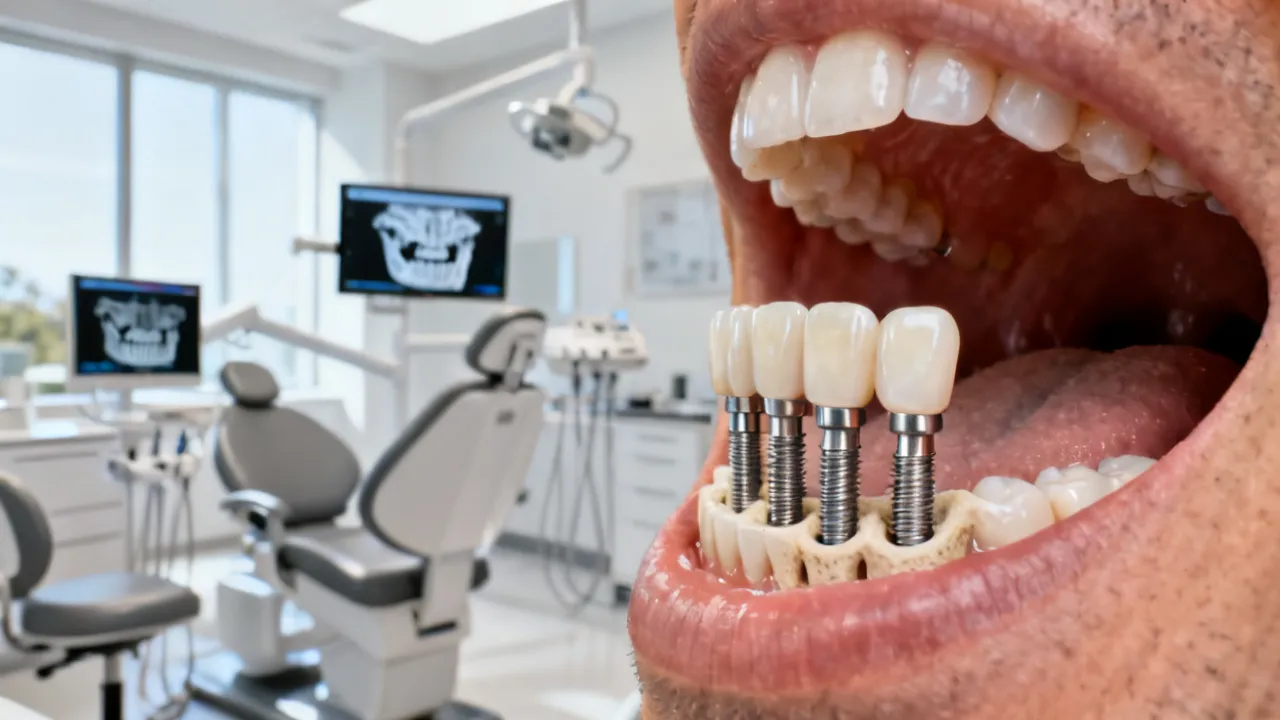
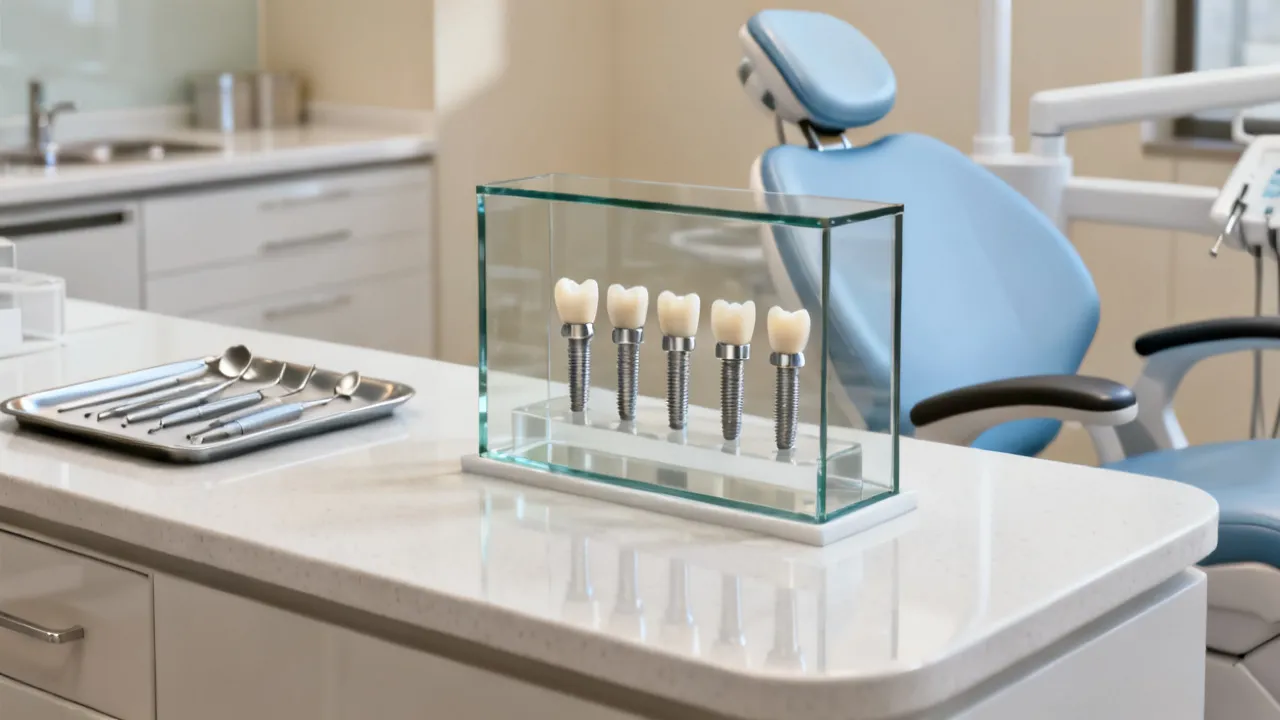
A dental implant typically consists of three main components:
- The Implant Fixture: This is the part that is surgically placed into the jawbone. It is usually made of titanium, a biocompatible material that allows for osseointegration, which is the process whereby the bone grows around the implant, securing it in place.
- The Abutment: This is a connector that is placed on top of the implant fixture. The abutment holds the crown or bridge that will be attached later. It can be adjustable in height to accommodate various crowns and bridges.
- The Crown: This is the visible part of the implant that resembles a natural tooth. Crowns can be made from various materials, including porcelain, ceramic, or a combination of both, to ensure a natural appearance and functionality.
The interaction between these components ensures that dental implants not only look good but also function effectively, allowing patients to eat, speak, and smile with confidence.
Benefits of Dental Implants
Beyond the obvious benefit of restoring a full set of teeth, dental implants uphold the structure of the jaw and reduce bone resorption—a common issue with tooth loss. Implants do not rely on neighboring teeth for support, unlike traditional bridges, which helps in preserving the original teeth. The benefits of dental implants can be categorized into several key areas:
- Improved Aesthetics: Dental implants closely resemble natural teeth, providing a more natural smile compared to dentures or bridges.
- Enhanced Comfort: Unlike removable dentures, dental implants become a permanent part of your mouth, eliminating the discomfort associated with removable devices.
- Better Oral Health: Implants do not require the alteration of adjacent teeth, preserving the health of those natural teeth and improving overall oral hygiene.
- Increased Confidence: Dental implants can improve self-esteem and confidence, allowing individuals to smile without fear of embarrassment.
- Durability: With proper care, dental implants can last a lifetime, making them a long-term solution for tooth loss.
- Convenience: Implants remove the need for messy adhesives required with dentures, benefiting those who want a more hassle-free dental care routine.
Dental Implant Costs in English-speaking Countries
Understanding the costs associated with dental implants is crucial for making informed decisions. Below is a detailed table that outlines the cost of dental implants in several English-speaking countries:
| Country | Currency | Price Range |
|---|---|---|
| United States | USD | $3,000 - $6,000 |
| United Kingdom | GBP | £2,000 - £2,500 |
| Australia | AUD | AU$3,500 - AU$6,500 |
| Canada | CAD | CA$3,000 - CA$5,500 |
Keep in mind that these prices might not include additional costs such as imaging, preliminary procedures, or follow-up visits that may be necessary depending on individual dental health conditions and the complexity of the case.
Factors Influencing the Cost of Dental Implants
The cost of dental implants can vary significantly based on several factors:
- Geographical Location: Prices can vary widely between regions and countries. Urban centers often have higher costs due to a higher cost of living and overhead.
- The Experience of the Dentist: A highly trained and experienced specialist in implant dentistry may charge more for their expertise.
- Type of Implant: The material and brand of the implant can influence costs. Premium implants made from high-quality titanium might lead to additional costs.
- Pre-Treatment Requirements: Some patients may require preparatory treatments such as bone grafts or sinus lifts, which can significantly increase the overall cost.
- Type of Restoration: The selection between a single crown, a bridge, or a full arch restoration will also affect costs, as each option requires different materials and procedures.
Affordability and Low-cost Dental Implant Solutions
Many patients search for low-cost dental implant options without sacrificing quality. It's important to compare providers and understand services offered. Below, I've assembled a table of several websites offering insights and solutions for affordable dental implants:
| Website | Features |
|---|---|
| Dental Views | Focus on low-cost options with detailed benefits and pricing |
| Atlantic Dental Group | Wide range of services including implants, easy access info |
| DentaVacation | Dental tourism to save costs abroad |
By examining these resources, potential patients can gain a better understanding of the average costs and the types of services available. It's beneficial to do thorough research and consult with dental professionals to ensure any choice made aligns with individual health needs.
Sources: Dental Views, Atlantic Dental Group, DentaVacation.
Affordable Dental Implants in Spanish-speaking Countries
Patients seeking cost-effective options for dental implants can explore options in countries like Spain, Mexico, and Colombia, where treatments are relatively more affordable:
| Country | Currency | Price Range |
|---|---|---|
| Spain | EUR | €1,500 - €2,500 |
| Chile | CLP | CLP$800,000 - CLP$1,500,000 |
| Mexico | MXN | $15,000 - $25,000 |
| Colombia | COP | $2,000,000 - $4,000,000 |
Choosing to undergo dental procedures abroad, often referred to as dental tourism, can provide significant savings. However, it is essential for patients to perform due diligence when selecting a clinic to ensure they are receiving quality care from qualified professionals.
Cost Variations in Portuguese-speaking Countries
In Brazil and Portugal, dental implant costs also offer affordability compared to other regions, as outlined below:
| Country | Currency | Price Range |
|---|---|---|
| Brazil | BRL | R$3,000 - R$8,000 |
| Portugal | EUR | €1,000 - €2,000 |
These countries are increasingly favorable for individuals seeking high-quality yet affordable dental care. The cost variance allows patients to consider their options more comprehensively while also factoring in travel expenses if planning to pursue treatment outside their home country. Patience with travel and an understanding of different health care policies are crucial for ensuring a positive experience.
Maximizing Access to Low-cost Implants in Various Countries
English-speaking countries offer numerous ways to access affordable dental care. For instance, Dental Views and Atlantic Dental Group provide various low-cost implant solutions. Meanwhile, in Spanish and Portuguese-speaking countries, clinics like Rockville Dental Arts and Rubi Odonto offer not only affordable but also quality services with positive patient reviews. Networking with satisfied patients can provide insights into their experiences and offer recommendations on clinics that maintain high standards of care.
Insurance and Finance Options for Dental Implants
Understandably, many patients will consider their insurance options when exploring implant treatments. While traditional medical insurance often does not cover dental implants, some dental insurance plans may offer partial coverage, primarily if the procedure is deemed medically necessary. It can be worthwhile to consult with insurance providers directly regarding specific coverage policies, which can vary widely.
In addition to insurance, there are various financing options available, including:
- Payment Plans: Many dental practices offer payment plans that allow patients to spread the cost of treatment over time, alleviating the immediate financial burden.
- Healthcare Credit Cards: Some patients may opt for financing through healthcare-specific credit cards that offer low or no-interest options for medical procedures.
- Personal Loans: While less common, personal loans are another route for those seeking to finance their dental implants. Comparing rates and terms offers patients flexibility in managing expenses.
Building a financial strategy can create a pathway for individuals to access the dental care they need without compromising quality for affordability.
Patient Care During the Dental Implant Process
From the initial consultation to the final crown placement, the dental implant process is characterized by several crucial steps:
- Consultation: During this visit, your dentist will evaluate your oral health, discuss your medical history, and determine if you are a suitable candidate for dental implants.
- Treatment Planning: If you qualify, a personalized treatment plan will be developed, detailing the necessary procedures and their associated costs.
- Surgical Procedure: The implant fixture is surgically placed in the jawbone. This procedure is typically done under local anesthesia or sedation.
- Healing Period: Osseointegration usually takes a few months, during which time patients may have a temporary restoration until the implant is fully integrated.
- Final Restoration: Once healed, the abutment and crown will be placed, restoring function and aesthetics.
It's essential for patients to follow their dentist's postoperative care instructions closely, which may include managing discomfort with pain medication, maintaining oral hygiene, and attending follow-up appointments to monitor healing.
FAQs
- What are dental implants?
Dental implants are artificial tooth roots placed into your jaw to hold a replacement tooth or bridge. - Are dental implants safe?
Yes, dental implants have a success rate of up to 98%, making them a safe option for very patients. - How long do dental implants last?
With proper care, dental implants can last a lifetime. - What is the recovery process like?
Recovery time varies but generally includes some swelling and discomfort for a few days post-surgery, and then a few months for full osseointegration. - Can anyone get dental implants?
Most patients with healthy gums and sufficient bone density are suitable candidates for implants. A comprehensive evaluation is essential to rule out any contraindications. - Do dental implants require special care?
No, caring for dental implants involves regular brushing, flossing, and routine dental visits, similar to natural teeth.
Conclusion
Dental implants offer a reliable solution to tooth loss but often come with considerable costs. By exploring various providers and international options, patients can find quality yet affordable dental care solutions. Always consult with a dental professional to determine the top course of action for your specific needs. The long-term investment in one's dental health can lead to significant lifestyle improvements, increased confidence, and a more fulfilling quality of life.
Disclaimer: 1) The above information comes from online resources, and the data is as of October 2023. 2) Dental implant prices are for reference only and may vary by region, clinic, and doctor.