Understanding Dental Implants Costs
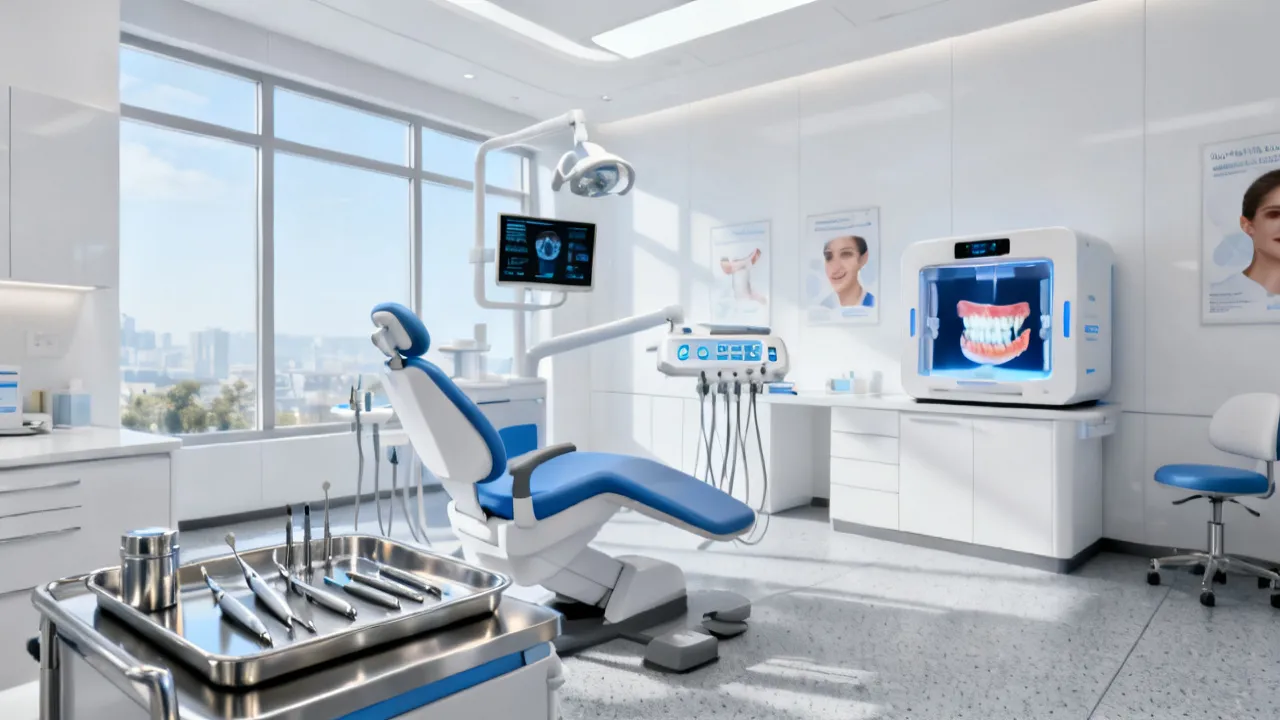
This comprehensive guide delves into the intricacies of dental implants, a good solution for missing teeth, highly regarded for their durability and natural appearance. Dental implants have become a cornerstone of modern restorative dentistry, offering individuals a way to restore both function and aesthetics. This article examines their benefits, cost implications, and options for more affordable treatments, including insights into dental tourism.
The Significance of Dental Implants
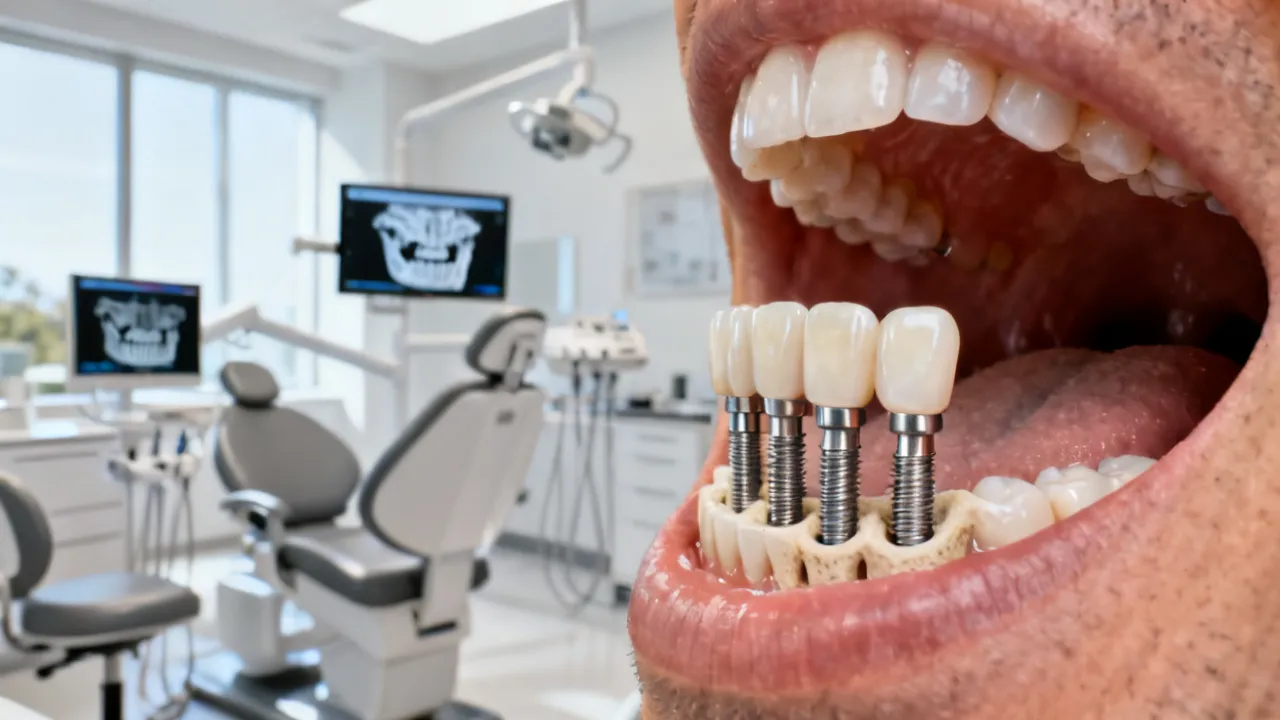
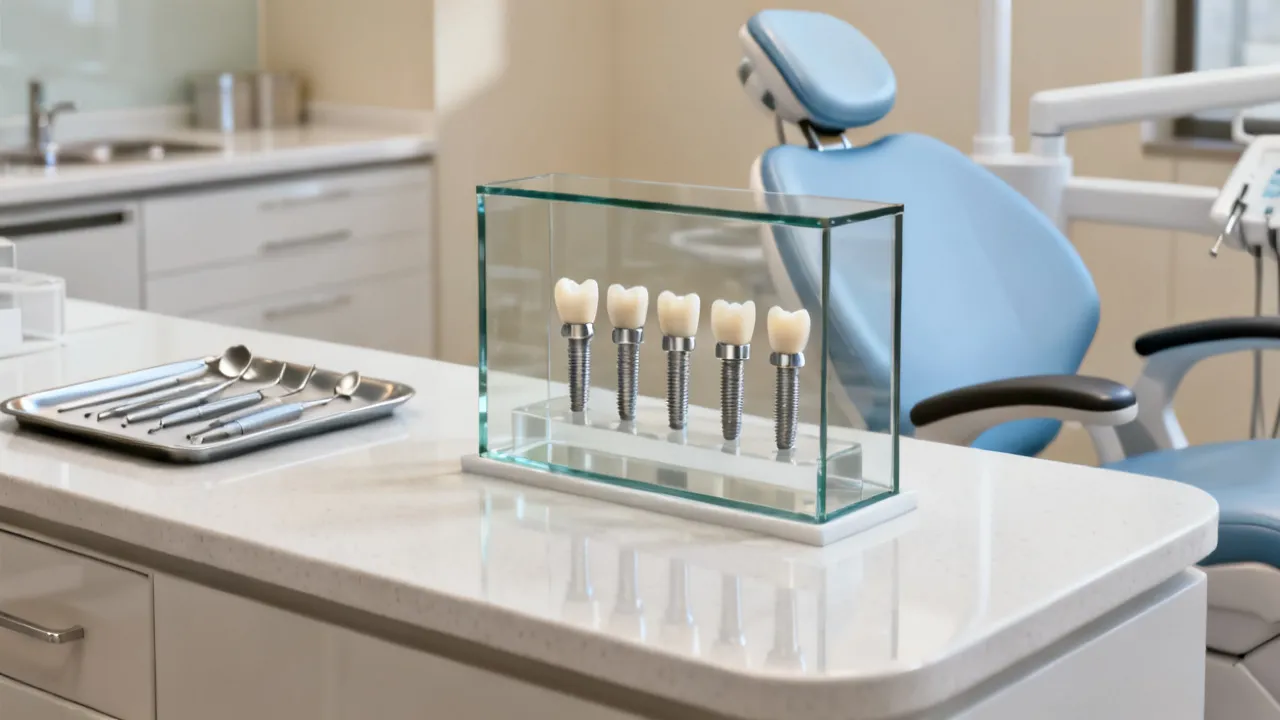
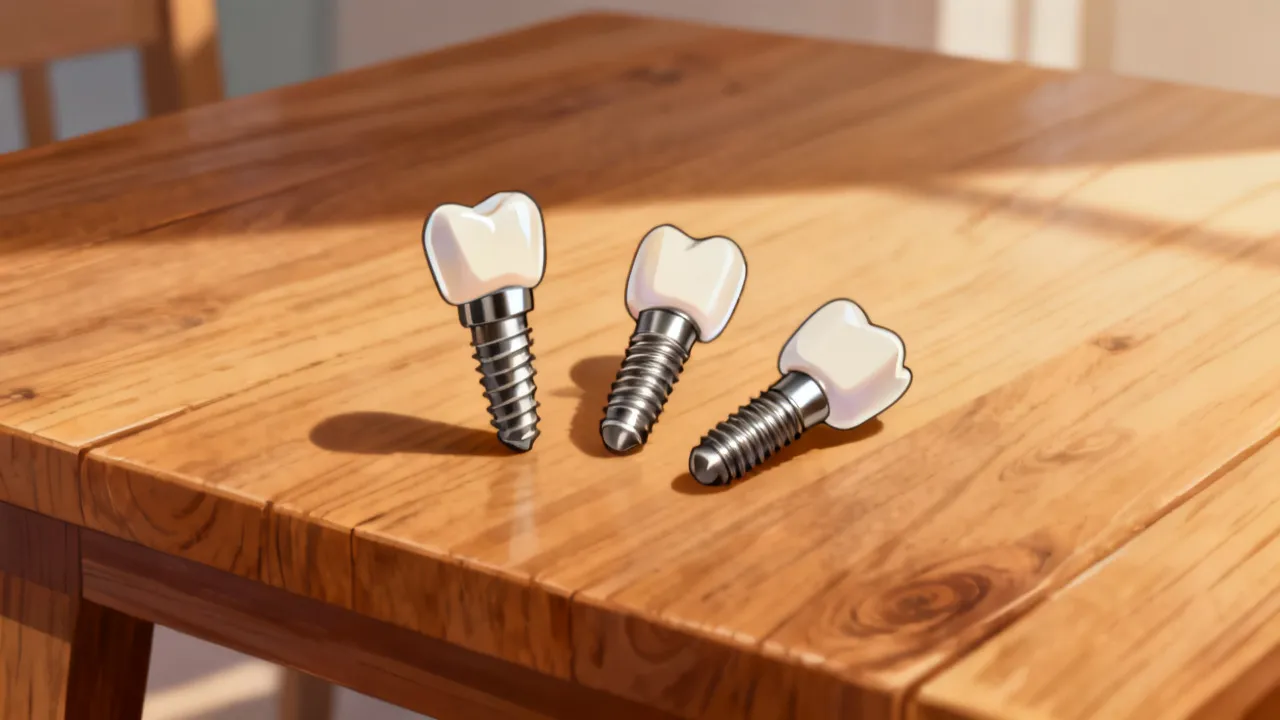
Dental implants are revolutionary good fixtures used to replace missing teeth. Unlike dentures, which rest on the gums, dental implants are surgically embedded into the jawbone, providing a stable and natural-looking tooth replacement option. Over the years, these implants have gained popularity due to their durability, mimicking natural teeth in both appearance and function. The integration of the implant with the jawbone serves to maintain bone density and facial structure, which can deteriorate when teeth are lost. By utilizing biocompatible materials, dental implants not only restore functionality, enabling patients to eat and speak with confidence, but also contribute positively to their overall oral health.
Dental implants have a profound impact on an individual’s quality of life. Aside from oral health benefits, they can significantly boost self-esteem and enhance social interactions. Many patients report feeling more attractive and youthful after receiving implants, as they eliminate the gaps left by missing teeth. This psychosocial aspect is an important consideration when looking at the full benefits of dental implants.
Furthermore, the procedure of getting implants has evolved significantly due to technological advancements. Today, computer-guided surgery and 3D imaging have improved the precision of implant placement, making the process more effective and reducing recovery times. Many dental professionals now provide a comprehensive treatment plan that outlines the steps involved in the procedure and expected outcomes, giving patients clear insight into what to expect.
Cost Considerations for Dental Implants
The cost of dental implants can be a significant concern for many individuals, often influencing their decision-making process. The pricing depends on several factors, including the geographic location of the treatment, the expertise of the dental surgeon, the complexity of each case, and the materials used for the implants themselves. In English-speaking countries, for instance, the cost can range from $3,000 to $6,500, while in some other regions, the prices might be more moderate. It is essential to consider not just the price but the value and quality of care received. Below is a comparative table detailing costs by region:
| Country | Currency | Price Range |
|---|---|---|
| United States | USD | $3,000 - $6,000 |
| United Kingdom | GBP | £2,000 - £2,500 |
| Australia | AUD | AU$3,500 - AU$6,500 |
| Canada | CAD | CA$3,000 - CA$5,500 |
Source: Data compiled from various dental practice websites.
When evaluating the total cost of dental implants, patients should also take into account the potential need for preparatory treatments, such as bone grafting, sinus lifts, or extractions, which can increase overall expenses. For this reason, a detailed consultation with a dental professional will provide an accurate estimate of the costs associated with a specific case. Many dental practices offer financing options, payment plans, or partnerships with health insurance, which can alleviate some of the financial burdens associated with obtaining dental implants. Inquiring about these may lead to more manageable options for prospective patients.
Low Cost Dental Implant Providers
When searching for more affordable options, there are several leading service providers that highlight low-cost dental implant solutions. These providers often have various financing plans, promotional offers, or can help in navigating dental insurance coverage efficiently:
| Website | Features |
|---|---|
| Dental Views | Offers affordable implant services with detailed information on costs, types of implants, and FAQs. |
| Atlantic Dental Group | Provides a comprehensive range of services including implants, emphasizing accessible and timely treatment options. |
| DentaVacation | Specializes in dental tourism, providing price comparisons and travel arrangements for cost-effective treatment abroad. |
Source: Dental Views, AtlanticDentalGroup, DentaVacation
Exploring Dental Tourism
In recent years, dental tourism has emerged as a popular option for those seeking affordable implant services. Countries like Mexico, Costa Rica, and Colombia offer significantly reduced prices compared to the U.S., while maintaining high standards of care. The allure of lower prices, combined with the opportunity to experience a new culture, has made dental tourism increasingly popular. Patients can save thousands of dollars while receiving quality care from experienced dentists. For instance, it is common to see dental implant procedures offered at only a fraction of the cost as compared to treatments in more developed countries.
However, the prospect of traveling for dental work does come with its complexities. It is crucial, however, to research thoroughly and consult with professionals before opting for treatments abroad. This includes ensuring the clinics are accredited, reading patient reviews, and understanding the local healthcare regulations in the destination country. Additionally, patients must consider logistics such as travel arrangements, accommodation, language barriers, post-operative care, and follow-up treatments, which might require further travel.
Some patients may even choose to combine their dental work with a holiday, allowing them to recuperate in a relaxing environment. Careful planning and research can mitigate risks and enhance the overall experience of dental tourism, making it a viable option for those who require implants and are looking for financial savings.
FAQs on Dental Implants
What makes dental implants unique? Dental implants provide a stable and good replacement for missing teeth. They integrate with the jawbone, preserving bone density and offering a natural appearance. The lifespan of the implant can last upwards of 10 to 15 years or even longer with proper care and maintenance.
How is the cost of implants justified? Although initially expensive, the good benefits and durability of implants often outweigh the upfront investment by reducing future dental issues and maintenance needs. Over time, the costs associated with maintaining dentures or bridges can add up, making implants a more economical choice for long-term dental health.
Can anyone get dental implants? Very adults can receive implants, but a preliminary assessment is essential to ensure adequate bone density and overall oral health. Ideal candidates are those who do not have chronic conditions that affect healing, such as uncontrolled diabetes or autoimmune diseases. Smokers or heavy drinkers may also face additional risks during their treatment process and recovery.
Understanding the Dental Implant Procedure
Getting dental implants involves a multi-phase process that begins with a thorough dental examination and may include imaging tests like X-rays or CT scans. This is crucial in determining if dental implants are a suitable option for the individual. The examination evaluates the state of the jawbone and helps in planning the implant placement.
The first step in the actual procedure is surgical placement of the implant post into the jawbone. After this, a healing period of several months is usually necessary to allow for osseointegration, where the bone fuses with the implant. This is critical, as it will provide the strength and stability needed for the implanted tooth.
Once healing is complete, the next step is the placement of an abutment, a small connector post that holds the replacement tooth. Following this, impressions are taken to fabricate the artificial tooth or crown that matches the surrounding natural teeth in color and size. It is during this stage that the dentist ensures the final crown has a proper fit and aesthetic appearance.
Lastly, the crown is affixed to the abutment, and adjustments may be made to ensure comfort and functionality. Patients are usually given detailed aftercare instructions to manage their recovery process and are encouraged to maintain good oral hygiene to prolong the lifespan of their implants.
Post-Implant Care and Maintenance
Taking care of dental implants is crucial to ensure their longevity. Patients should adopt a thorough oral hygiene routine, including regular brushing, flossing, and dental check-ups. Just like natural teeth, implants can attract plaque and tartar buildup, which puts them at risk for peri-implantitis, an inflammatory condition affecting the tissues around implants. Regular cleaning by a dental professional is also necessary to prevent gum disease and ensure that everything surrounding the implant remains healthy.
It is important for patients to avoid high-impact activities immediately following surgery to allow the implants to heal properly. Additionally, one should be cautious about consuming very hard or sticky foods that could potentially dislodge the implant during the healing phase. After complete healing, dental implants are just as functional as natural teeth, and many people return to enjoying their favorite foods freely.
Psychosocial Impact of Dental Implants
In addition to their physical health benefits, dental implants play an essential role in psychological wellbeing. Missing teeth often lead to embarrassment and self-consciousness, causing discomfort in social situations. The installation of implants restores not just the physical aspect of one’s smile but also helps rebuild confidence. Many individuals express that they feel more willing to smile, engage, and communicate freely after receiving dental implants. This renewed self-confidence can positively affect public judgment and personal relationships as individuals no longer feel the need to hide their smiles.
Many studies have indicated a significant improvement in quality of life for those who have undergone implant procedures. The benefits extend beyond simple aesthetics, as they can also influence emotional health, leading to an improved sense of overall happiness and satisfaction.
Conclusion and Disclaimer
Dental implants represent a significant advancement in dental technology, offering good solutions for individuals with missing teeth. While costs can be high in some regions, numerous options exist to make these treatments more affordable, including dental tourism. However, the decision to proceed with dental implants should not be taken lightly; it is crucial to consult with experienced dental professionals to ensure the highest quality care. Patients should explore all their options, consider potential risks, and adhere to post-operative recommendations to maximize the benefits of their dental implants.
Disclaimer: The above information comes from online resources, and the data is as of October 2023. Dental implant prices are for reference only and may vary by region, clinic, and doctor.
References: