Tree Removal for Seniors: Cost Management Tips and Advice
Ensuring safety and managing costs are essential for seniors considering tree removal.
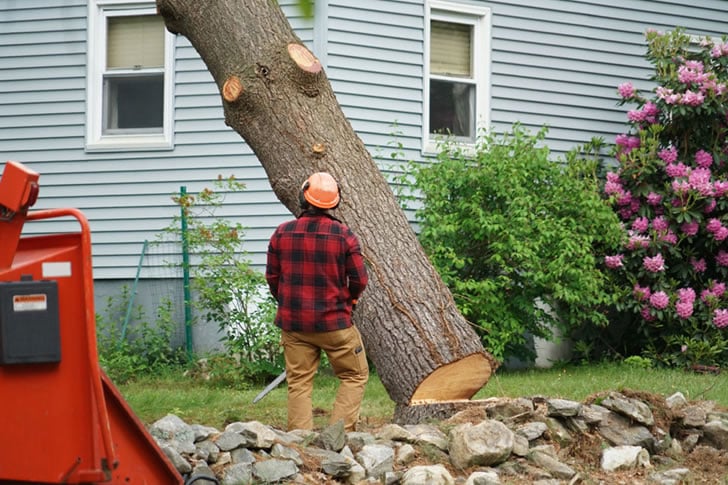
Assessing the Need for Tree Removal
Before embarking on tree removal, seniors should evaluate the necessity. Diseased or damaged trees can be hazardous, while overgrown trees may compromise property aesthetics and structure. A professional arborist's assessment can provide certainty regarding the need for removal.
Cost Management Strategies
Get Multiple Quotes
To manage tree removal costs, seniors should obtain multiple quotes from various service providers. Comparing prices ensures a fair deal.
Understand Cost Determinants
Factors influencing tree removal costs include:
- Taller trees generally cost more to remove.
- Proximity to structures, power lines, and other hazards can increase complexity and costs.
- Diseased or unstable trees may require additional precautions.
- Ensure the quote includes cleanup and disposal.
Look for Discounts and Special Offers
Some companies offer discounts for seniors, first-time customers, or during off-peak seasons. Always inquire about potential savings.
Safety Considerations for Seniors
Hire Certified Professionals
Seniors should hire a certified arborist or licensed tree removal service to ensure the job is done safely and professionally. Licensed experts adhere to industry standards, reducing risks.
Verify Insurance Coverage
Ensure the tree removal service is fully insured. This covers potential damages or injuries, providing peace of mind for seniors.
Exploring Financial Assistance
Local Public sector Programs
Some local public sectors offer financial assistance programs for seniors requiring tree removal services. Check with community resources or senior centers for available options.
Non-Profit Organizations
Non-profits may provide grants or subsidized services for seniors. Organizations like local community groups or eldercare networks can be valuable resources.
DIY Tree Removal: Is it Worth the Risk?
For seniors considering DIY tree removal to save on costs, it’s important to weigh the risks:
- Tree removal is physically demanding and can pose significant health risks.
- Lack of proper equipment and training can lead to accidents.
- Inexperience can result in extensive property damage.
Given these risks, professional services are generally the safer, more cost-effective choice in the long run.
Planning for Future Tree Maintenance
Regular Inspections
Regular tree inspections by a professional can prevent costly removals. Early detection of issues allows for less expensive interventions, maintaining property safety and aesthetics.
Pruning and Trimming
Routine pruning and trimming can preserve tree health and prevent potential hazards. This proactive approach can reduce the likelihood of needing full tree removal.
Conclusion
Tree removal for seniors involves careful consideration of costs, safety, and available resources. By obtaining multiple quotes, seeking out discounts, and hiring certified professionals, seniors can manage expenses effectively. Additionally, exploring financial assistance and prioritizing regular maintenance can further ease the burden, ensuring a safe and beautiful living environment.