Window Replacement for Seniors Utilizing Public sector-Funded Programs
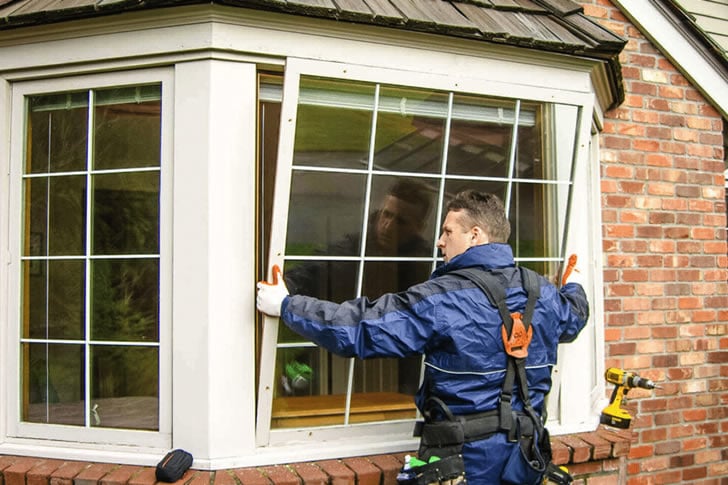
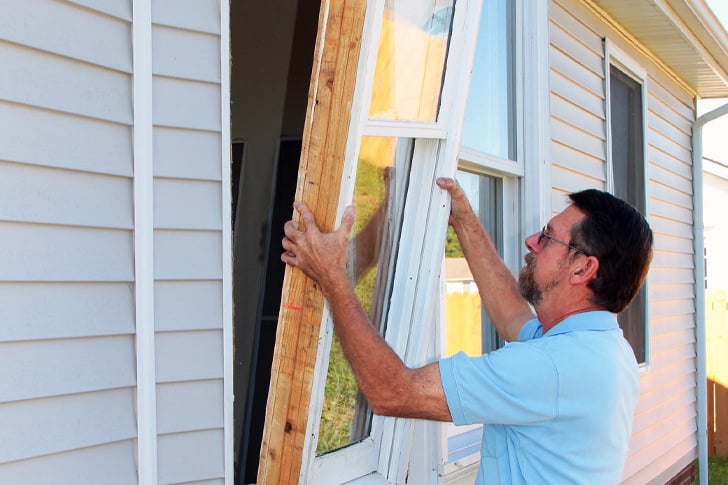
Windows play a vital role in your home's comfort and energy efficiency.
Why Window Replacement is Important for Seniors
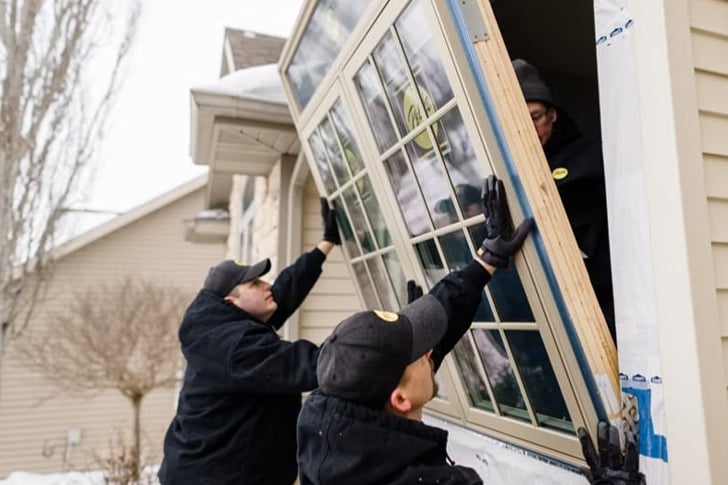
As we age, our living environments need to adapt to our changing needs. One critical aspect is the state of home windows. Old or inefficient windows can lead to higher energy bills, discomfort, and even health risks. This is especially pertinent for seniors who are on a fixed income and may have specific health conditions that would benefit from a well-insulated and safe living space.
Benefits of Window Replacement for Seniors
1. Increased Comfort and Reduced Energy Bills
Modern windows are far more efficient at insulating your home compared to older models. Properly insulated windows can dramatically reduce heating and cooling costs. For seniors, who may spend more time at home, comfortable indoor temperatures are crucial.
2. Enhanced Safety and Security
Old windows can be difficult to lock securely and may be easier to break. Upgrading to newer models with advanced locking mechanisms offers not only peace of mind but also physical security.
3. Improved Aesthetics and Property Value
Replacing old windows can rejuvenate the appearance of your home and increase its market value. This can be especially beneficial if you are considering downsizing or moving to a senior living community in the future.
Understanding Public sector-Funded Programs for Seniors
Many seniors are on a fixed income and might be concerned about the costs associated with window replacement. Fortunately, there are several public sector-funded programs designed to assist with home improvements, including window replacement.
1. Weatherization Assistance Program (WAP)
The Weatherization Assistance Program helps low-income households reduce energy costs and improve living conditions. Seniors, in particular, are prioritized for assistance. WAP provides services such as window replacement, sealing cracks and gaps, and improving overall home energy efficiency.
2. Low-Income Home Energy Assistance Program (LIHEAP)
LIHEAP offers financial assistance to help low-income households manage heating and cooling costs. While primarily focused on energy bills, some states allocate part of these funds for energy-efficient improvements, such as window replacement.
3. HUD Programs
The Department of Housing and Urban Development (HUD) offers various grants and loans, such as the Community Development Block Grant (CDBG), which can be used for home improvements, including window replacement. Seniors, especially those living in economically disadvantaged areas, may qualify for these programs.
Steps to Take for Window Replacement Through Public sector-Funded Programs
1. Assess Your Needs
Start by evaluating the current state of your windows and determining your specific needs. Are your windows drafty, difficult to open, or in general disrepair? Make a list of issues to address.
2. Research Available Programs
Look into federal, state, and local programs that offer financial assistance for home improvements. Use resources such as the Department of Energy and HUD websites, or contact local agencies that specialize in senior services.
3. Gather Necessary Documentation
Very programs require documentation to prove eligibility. This may include proof of income, home ownership, and age. Make sure you gather all necessary paperwork before applying.
4. Submit Your Application
Complete and submit your application as per the guidelines of the specific program. Be thorough and truthful in your responses to avoid delays or denial.
5. Work with Approved Contractors
Many programs will require you to use pre-approved contractors for the work. Ensure you select a contractor who has experience with the specific program requirements and understands the needs of seniors.
Additional Tips for Seniors Considering Window Replacement
1. Consult with a Professional
Before making any decisions, consult with a home improvement professional to get a comprehensive assessment of your needs and options. They can help guide you through the process and identify the very cost-effective solutions.
2. Consider Energy-Efficient Options
When selecting new windows, look for energy-efficient options that can further reduce your heating and cooling bills. Double-pane glass, low-E coatings, and Energy Star-rated windows are excellent choices.
3. Think Long-Term
Consider not only the immediate benefits of window replacement but also the good advantages. Quality windows can last many years, providing ongoing savings and improved living conditions.
Conclusion
Window replacement is a crucial home improvement project that can significantly improve the quality of life for seniors. Thanks to public sector-funded programs, it doesn't have to be a financial burden. By understanding the options available and following the steps outlined above, seniors can enjoy a more comfortable, secure, and energy-efficient home.